
Homeowner guide · Colorado hail season · Fort Collins
When Is Hail Season in Colorado, and What to Do Before It Starts
Hail season on the Front Range is predictable enough to plan for. This guide covers when it runs, why Northern Colorado gets so much of it, and what to do before and after a storm, in the order that keeps your options open.
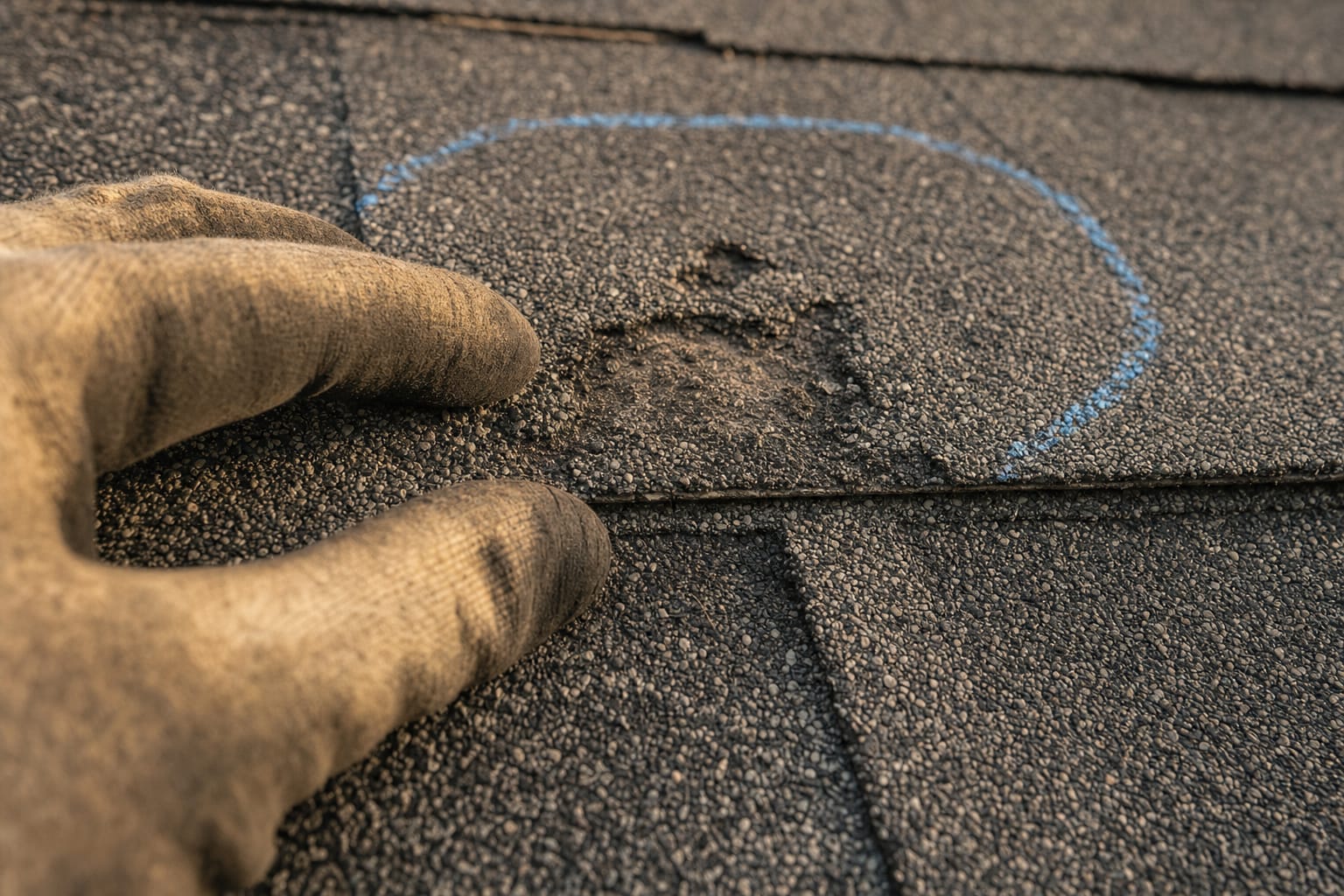
Fig. 01 A hail bruise on an asphalt shingle, chalk-circled
The season
Mid April to mid September, with the peak in mid June.
The Rocky Mountain Insurance Information Association describes Colorado’s damaging hail season as running from mid April to mid September. The Colorado Climate Center at Colorado State University puts the peak for severe hail in mid June.
Why here? The Colorado Climate Center explains that severe storms need moisture, instability, lift and wind shear, and that those ingredients are in place far more often in eastern Colorado than west of the mountains, so severe storms happen a lot more often on this side of the state. Fort Collins sits on that side, and so do Loveland, Windsor and Greeley.
Front Range storms often build in the afternoon. What a Fort Collins hail storm leaves behind, bruised shingles, cracked pipe boots and dented vents, is covered on our hail and storm damage repair page. This guide covers the months on either side of it. To look at your own roof first, use the roof inspection checklist; the rest of our homeowner guides are collected in one place.

Fig. 02 Clearing skies after a storm
Before the season
Six things to do before the first storm.
None of these take long. If hail does hit, you will already hold a dated record of the roof as it was, and you will know what your policy says.
Get an inspection on record, with photos
A dated before picture of every slope
Know your wind and hail deductible
Read the policy now, not on the phone after a storm
Branches over the roof become debris in the wind
Clear low-slope drains and scuppers
Standing water after a storm finds every weak seam
Photograph the roof and siding from the ground
Every side of the house, in daylight, with the date
Inspection report, photos, policy page, storm dates
Stay on the ground for all six. Nothing here needs a ladder, and a wet or hail-dusted roof is a fall hazard even for people who walk roofs daily.
After a storm
Document first. Decide second. Build third.
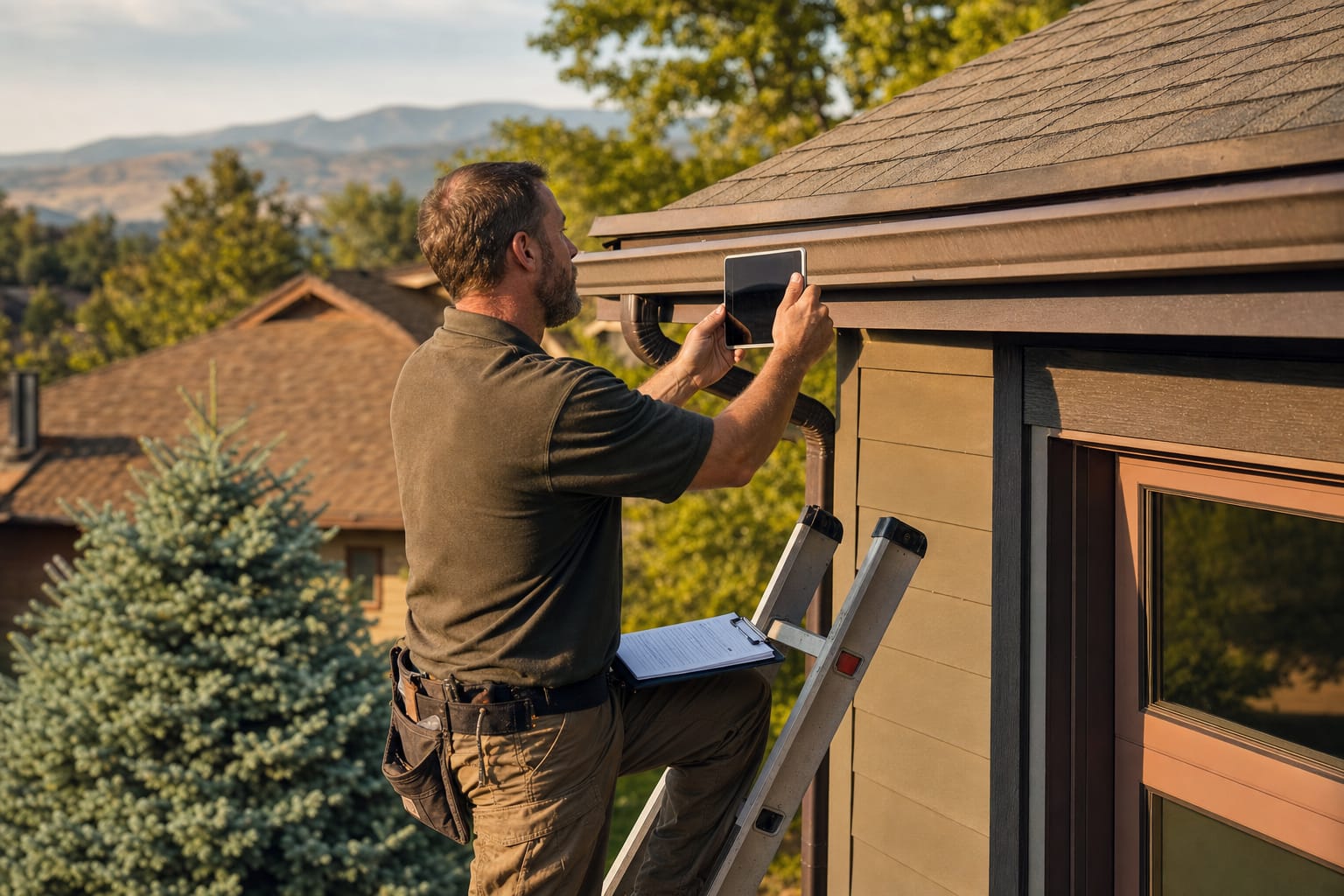
Fig. 03 Documenting the storm-facing slope
01
Document
Write down the date and time. Photograph hail on the lawn, dents in soft metals and anything that landed in the yard. Then have the roof and siding inspected and photographed up close, slope by slope, so the record exists whether or not you ever file a claim.
02
Decide
Nothing gets signed on the porch. With the findings in hand, read your policy, check its reporting window and decide on your own timeline whether to file. If you do, the photos and written scope go to your insurer, and the claim decision is theirs. Door knockers arrive soon after; our guide to local roofers versus storm chasers covers how to vet them.
03
Build
Work starts only after you approve a written scope, whether that is a roof repair, a full roof replacement or siding and trim. If the inspection found nothing worth fixing, your folder simply gets a new dated entry.
Hail season questions
What homeowners ask about Colorado hail season.
When is hail season in Colorado?
Colorado’s damaging hail season is considered to run from mid April to mid September, according to the Rocky Mountain Insurance Information Association. The Colorado Climate Center puts the peak for severe hail in mid June.
How bad does hail damage have to be to replace a roof?
There is no single threshold. It comes down to how many impacts there are, how they are spread across the slopes, and the age and condition of the shingles. Isolated bruising on a sound roof is often repairable; widespread bruising on an aging roof usually is not.
Should I replace my roof after a hail storm?
Not automatically. Have it inspected and photographed first, then decide from the findings. Some roofs need a few courses repaired, some need replacement, and some need nothing at all.
How many hail hits does it take to replace a roof?
Insurers and adjusters have their own ways of counting impacts, and they vary by carrier and policy. What you control is the record: an inspection that marks and photographs every impact on every slope, so whoever counts sees what you see.
Is it worth claiming hail damage?
That is a decision only you can make, with your policy in front of you. The process is simple: get the damage documented, read your deductible and reporting window, and decide. We provide the photos and the written scope; we do not file, negotiate or predict the outcome.
How long do you have to claim roof damage from a storm?
It depends on your policy. Read the reporting window in your own policy or ask your agent, and write the storm date down the day it happens so you can check it against that window.
What should I do if a storm blows shingles off my roof?
Stay off the roof. Photograph what you can see from the ground, note the date, and have the roof inspected so the exposed area is documented and a repair is scoped before the next storm.
How long will a roof last after hail damage?
Shorter than it would have. Bruised shingles lose granules, and the asphalt beneath them ages faster in Colorado sun. The inspection tells you whether that is a repair now or a watch item.
Free inspection
Get a pre-season inspection on record.
A documented look at the roof before the first storm gives you a baseline to compare against afterward. Free, with photos and written findings you keep.