
After the hail · Door-to-door roofing sales · Northern Colorado
Local Roofers vs Storm Chasers: How to Vet Whoever Knocks After a Hailstorm
After a hail or wind storm, door-to-door roofing sales pick up across Northern Colorado. Some of the people knocking are local. Some follow the storm in and leave when the work dries up. Here are six things to check before you sign anything, and what a documented process looks like.
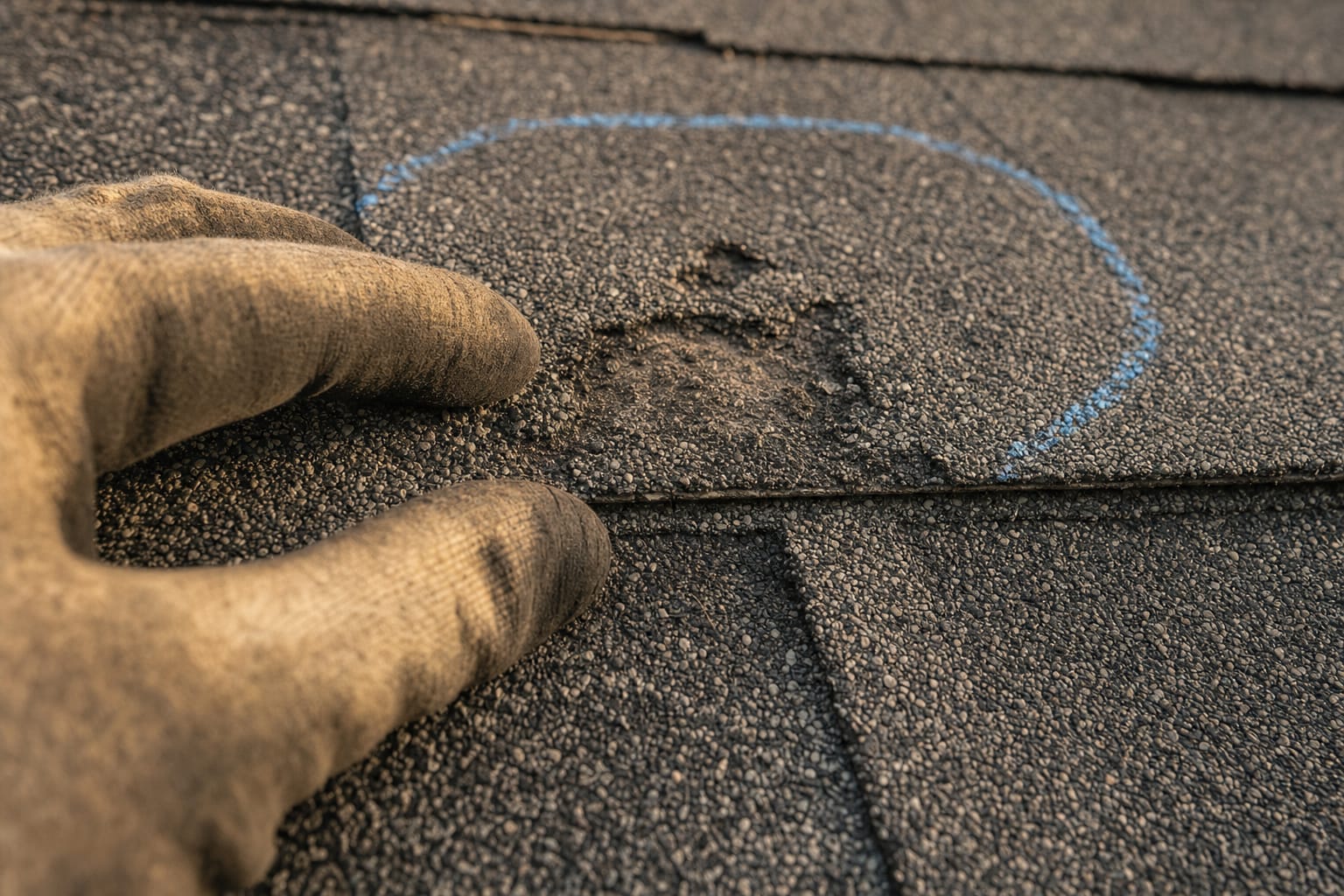
Fig. 01 Hail bruise, chalk-circled. Evidence, not a pitch
Before you sign
Six things to check before you sign.
Not a mailbox, not a motel parking lot
Line by line, with photos, before any work
Who returns for the adjuster visit
And for the follow-up after the first hard rain
You pay it. An offer to cover it is a warning sign
A legitimate company can wait a few days
Where the crew will be next year
Ask. Then ask who answers the phone
If any one of these is missing, slow down and compare. Two or more missing is a reason to say no.
Why this matters in Northern Colorado
Hail brings the trucks. Then the trucks leave.
Hail season on the Front Range runs through late spring and summer. When a storm hits Fort Collins, Loveland, Windsor or Greeley, demand for roofing jumps in a single afternoon. Local companies get busy. Companies from outside the area notice too, and some drive in to sell roofs door to door while the hail is still on the lawn.
Not every out-of-town crew does bad work. The problem is what happens next. A roof gets tested by the next wind, the next freeze and the next hail, and the first real check often comes the following spring. If the company that built it is somewhere else by then, the follow-up is your problem.
Colorado’s residential roofing law speaks to two common pressure tactics. It prohibits a roofing contractor from paying, waiving or rebating your insurance deductible when the work is paid from a claim, so an offer to cover your deductible is a warning sign, not a discount. It also gives you the right to cancel a roofing contract within a short window if your insurer denies the claim. We are roofers, not lawyers, so check the statute or ask your carrier for the exact terms.
- Documented inspection. Dated photos of each slope, not a verbal verdict from the driveway
- Written scope. Itemized, so you can compare it against anyone else’s
- Your deductible stays yours. Nobody offers to make it disappear
- Your timeline. No contract signed on the porch, no claim decision rushed
The hail and storm damage page explains what hail does to a shingle; the insurance claim documentation page explains what we do and do not do when a claim is involved.
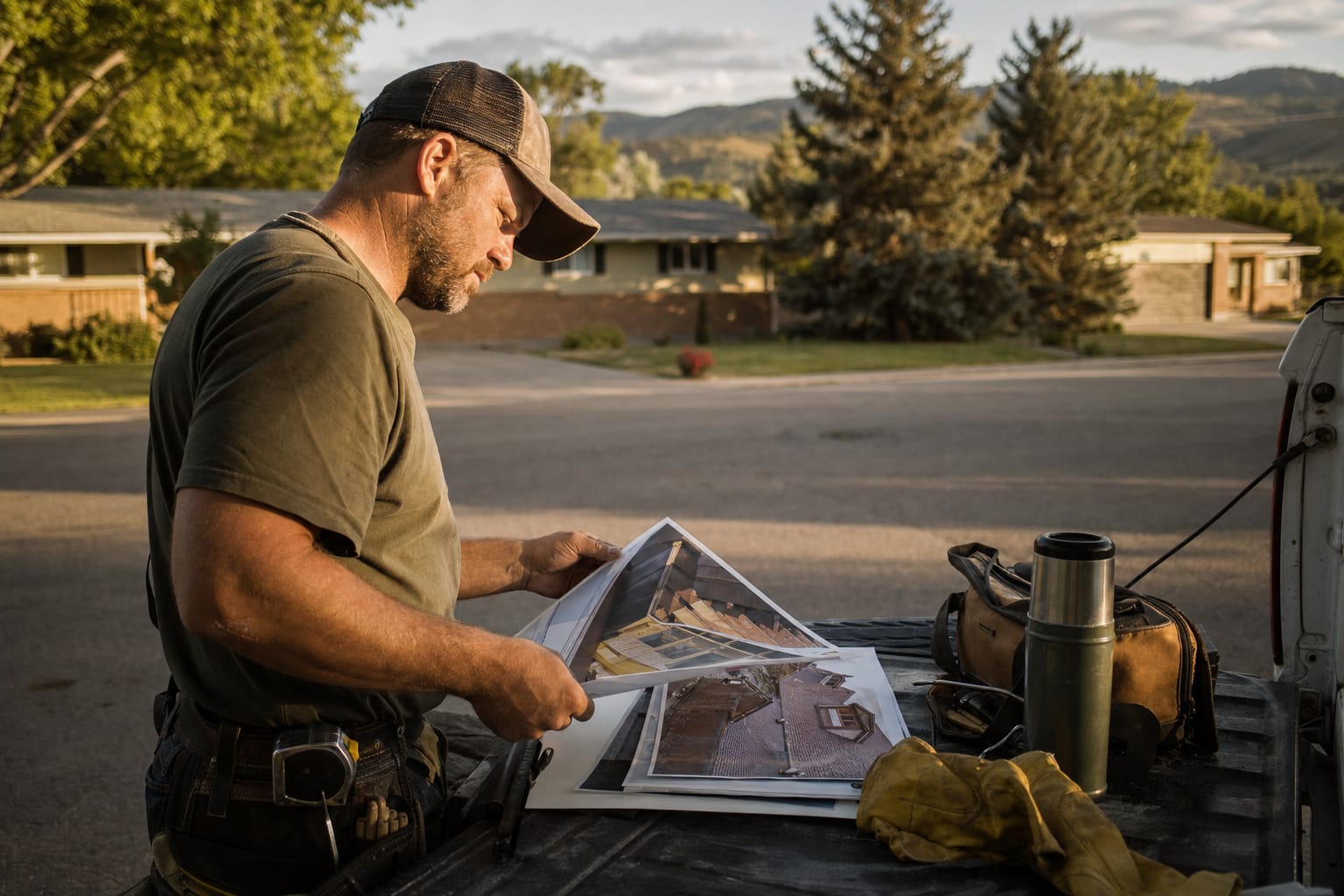
Fig. 02 Scope review at the tailgate
What a documented process looks like
Four steps you can ask any roofer to show you.
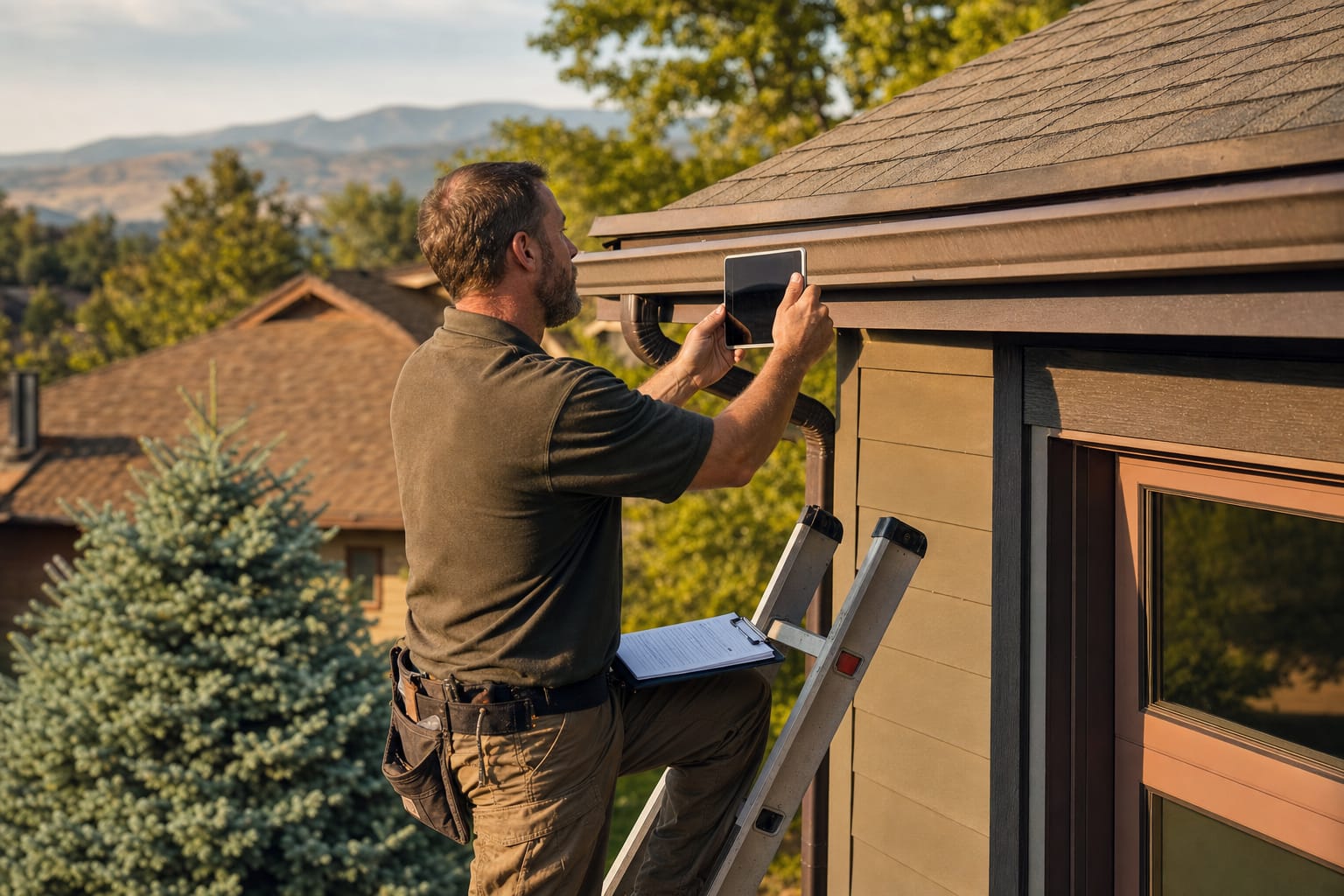
Fig. 03 Eave documentation, before any scope is written
01
Inspection with photos
Someone walks every slope and the exterior, marks impacts, and photographs shingles, metals, siding and trim with the storm date on record. The photos are yours either way.
02
Written findings and scope
A written scope says whether the roof is repairable or needs replacement, what each option involves and what each line costs. It matches the photos and is yours to share with your carrier.
03
You decide, on your timeline
Nothing is built until you approve it. If a claim is involved, that usually means waiting for your insurer’s decision. A company with a local address can afford to wait with you.
04
Work, cleanup, walkthrough, and someone to call
The approved scope is built, whether that is a roof repair, a full roof replacement or siding and trim work. Then the yard is swept, we walk the finished work with you, and the same local company answers the phone next spring. That is how we work.
Choosing a roofer
What homeowners ask after someone knocks.
How can I tell if a roofer is lying to me about damage?
Ask for the photos. A real inspection produces dated, close-up photos of the damage, slope by slope, and a written scope that matches them. If the damage is only described in words, get a second documented inspection.
How do I spot a bad roofing company?
No local address, no written scope, pressure to sign the day they knock, an offer to cover your deductible, or a request to sign over your insurance check before work starts. Any one of those is a reason to compare; two is a reason to walk away.
How do I find a legitimate roofer after a storm?
Start with companies that were in your area before the storm. Visit the address, ask for a documented inspection with photos, and compare written scopes. A legitimate company will not need an answer on the spot.
A roofer offered to waive my deductible. Is that allowed?
No. Colorado law prohibits a roofing contractor from paying, waiving or rebating your insurance deductible on work paid from a claim. Treat the offer as a warning sign, and check the statute or ask your carrier if you want the exact wording.
Can I cancel a roofing contract if my insurance claim is denied?
Colorado’s residential roofing law gives you the right to cancel within a short window after your insurer denies the claim. The window is short, so read your contract and check the statute or ask your carrier for the exact terms.
What is a storm chaser in roofing?
A roofing operation that follows hail and wind storms from region to region, sells door to door after a storm, and moves on when the claims run out. The work is sometimes fine; the follow-up is the problem.
Is Eagle’s Eye Roofing a storm chaser?
No. Eagle’s Eye Roofing is based in Fort Collins and works in Loveland, Windsor and Greeley every week, storm or no storm. The same local company that inspects your roof answers the phone afterward.
Free inspection
Want a second opinion from a local company?
A free, documented inspection from a Fort Collins crew that will still be here next year. Photos and a written scope you keep, whoever you hire.