
Homeowner guide · Roof inspection checklist · Colorado
Roof Inspection Checklist for Colorado Homes
A roof inspection checklist you can work through from the ground, written for the hail, wind, sun and freeze-thaw that Front Range roofs live with. Use it each spring and fall and after any storm. The last section is a template for judging any written report.
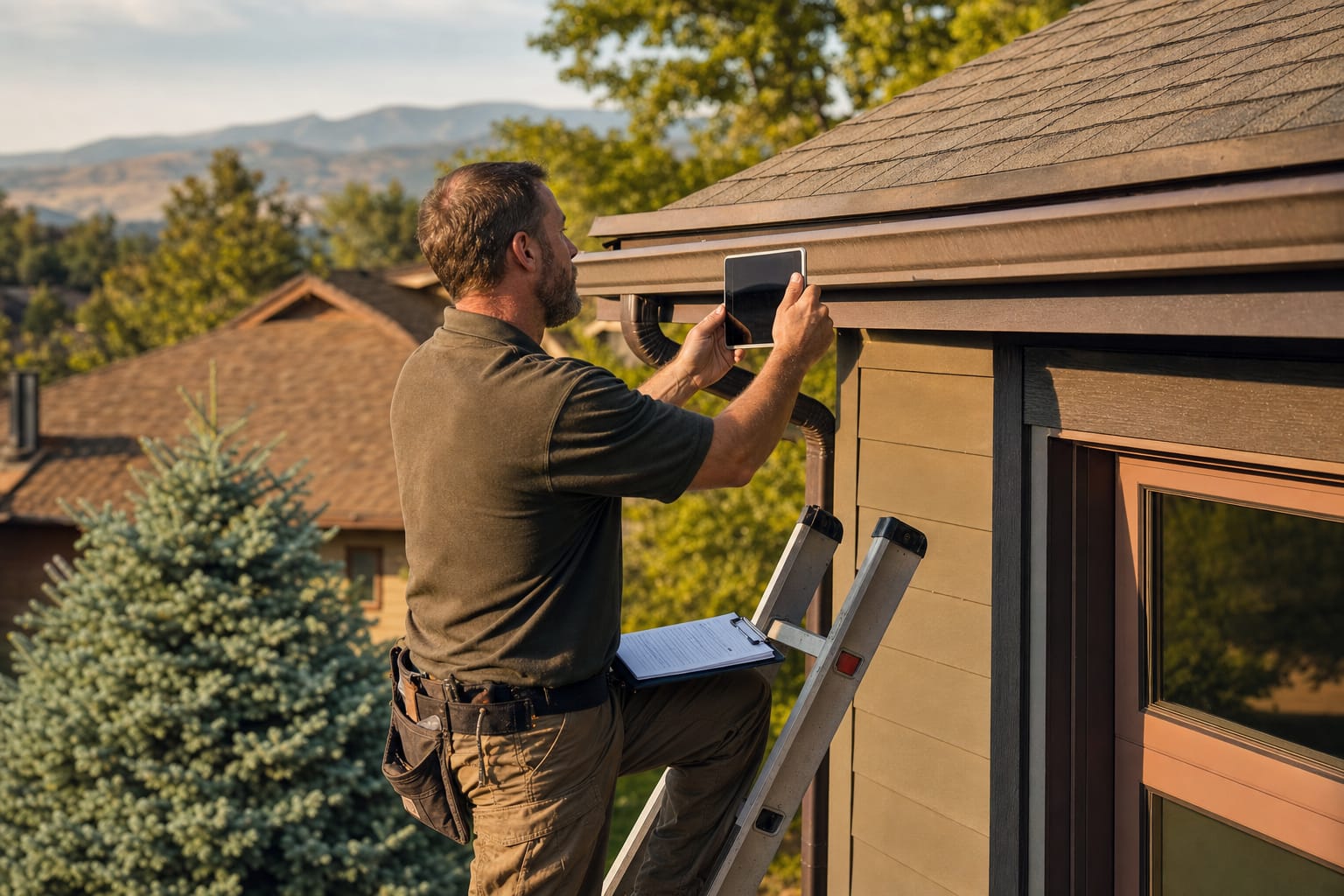
Fig. 01 Eave and drip edge, photographed for the report
How to use it
Walk the yard, not the roof.
Everything below can be checked from the ground, a window or the attic hatch. Take a phone and binoculars. Walk every side of the house in daylight, photograph anything that makes you pause, and date the photos. Homes in Fort Collins, Loveland, Windsor and Greeley face the same weather, so the list is the same.
Stop and call when you find any of these:
- Water inside: a stain, a drip, a soft spot in the ceiling or a musty attic
- Anything you can only confirm by going up: a suspected bruise, lifted seal or cracked boot
- Storm damage visible from the street, because the rest of it only shows up close
- A roof that is steep, wet, icy or dusted with loose granules
Never walk a roof yourself. A documented roof inspection is free, puts the findings in writing with photos, and gets any roof repair scoped before the next storm.

Fig. 02 Rooftops, the view from the street
The checklist, part one
Outside, looking up.
From the ground
- Sagging or a dip in the ridge or in any roof plane
- Shingles or pieces of shingle on the lawn or in the beds
- Granules collecting below downspouts, like coarse black sand
- Branches touching or hanging over the roof
- Moss, dark streaks or debris in valleys and behind chimneys
Shingles and surface
- Missing, torn or flapping tabs, especially on wind-facing slopes
- Curling, cupping or clawing edges on older shingles
- Bald patches where granules have worn or been knocked off
- Round dark spots or dents that line up with the last storm’s direction
- Ridge and hip caps cracked, lifted or missing
Flashings and penetrations
- Pipe boots: cracked, split or pulling away from the pipe
- Vents and caps: dents, missing screens, rust
- Chimney: lifted step flashing, failed sealant at the counter flashing, cracked crown
- Skylights: cloudy glass, cracked curb seals, debris on the uphill side
- Wall flashing where a lower roof meets siding, a common leak path

Fig. 03 A marked impact, as it appears in a report
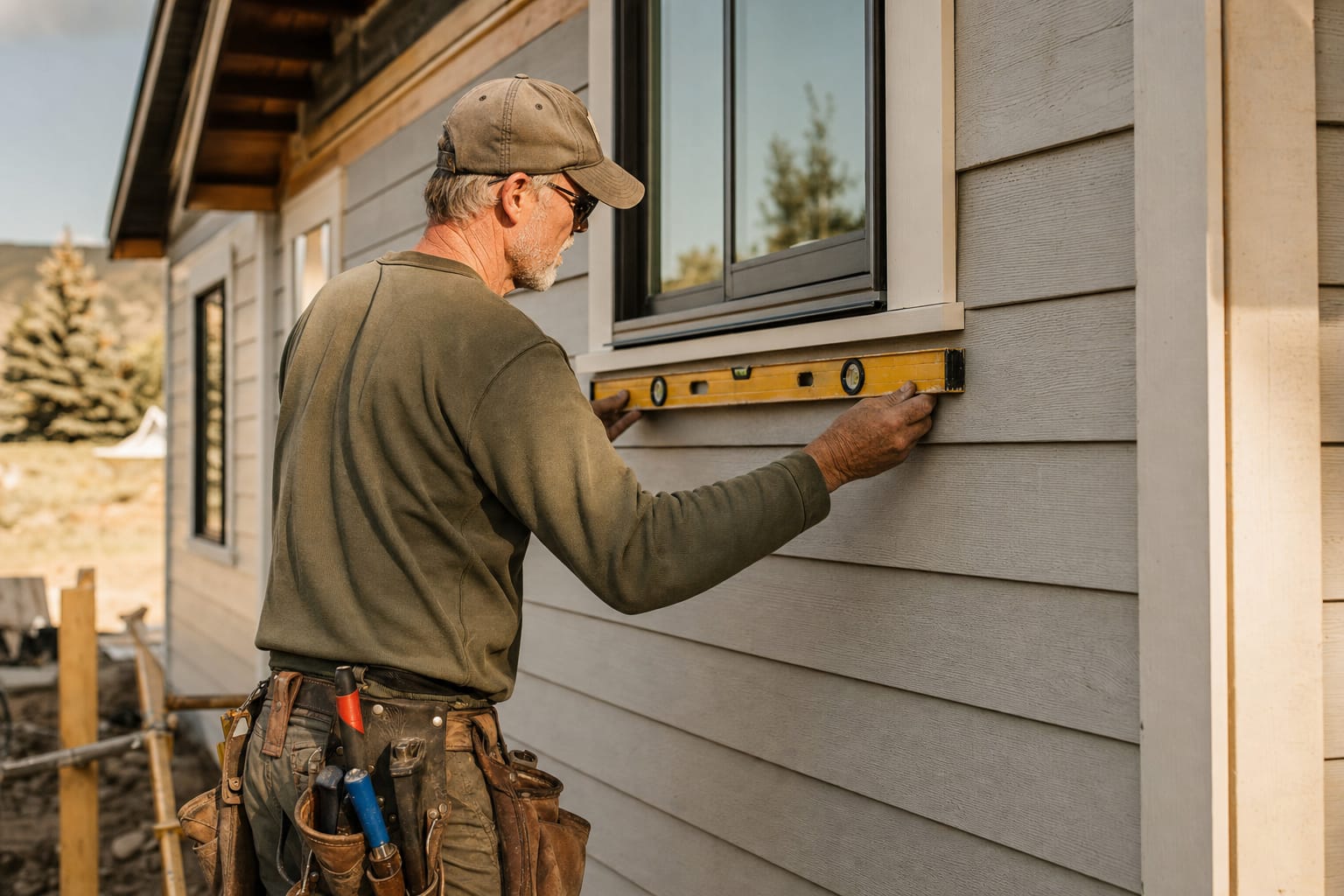
Fig. 04 Siding, fascia and trim take the same storms
The checklist, part two
Edges, attic and walls.
Edges, gutters and drip edge
- Drip edge: present along eaves and rakes, not bent, not rusted through
- Fascia: peeling paint, soft or stained wood behind the gutter line
- Gutters: granules inside, sagging runs, seams pulling apart, dents on the storm-facing side. We do not service gutters, but their condition says a lot about the shingles above
Attic and interior
- Daylight through the roof deck, seen with the attic light off
- Water stains, rust on nail tips, dark or compressed insulation
- A musty smell, frost on the underside of the deck in winter, damp rafters
- Ceiling stains, bubbling paint, or a drip that appears only in a storm
Siding and trim
- Cracked, chipped or holed panels, especially on the side the storm came from
- Dented aluminum window wraps and trim
- Paint chipped in a pattern of small round marks
- Soft or rotting trim around windows and at the base of walls
Hail that marks the roof usually marks the walls too; see our siding and exterior page for that work.
The written report
What a roof inspection report should contain.
A written roof inspection report, from us or anyone else, is only useful if someone who was not on the roof can understand it. Use this as the template:
- Photos of every slope and every finding, close enough to see the defect
- A date on the report and on the photos
- Location for each finding: which slope, which course, near which penetration
- Severity in plain words: active leak, will fail soon, watch item, cosmetic
- A recommendation for each finding: repair, replace, coat or leave alone, and roughly when
- No pressure: no signature line, no deadline, no price that expires
That is the format of the report you get from a free roof inspection with us. It is yours to keep, hand to another roofer or share with your insurer, and nothing in it obligates you to anything. To book one, use the inspection request page.
More in the guides hub: what a roof inspection costs and when Colorado hail season runs.
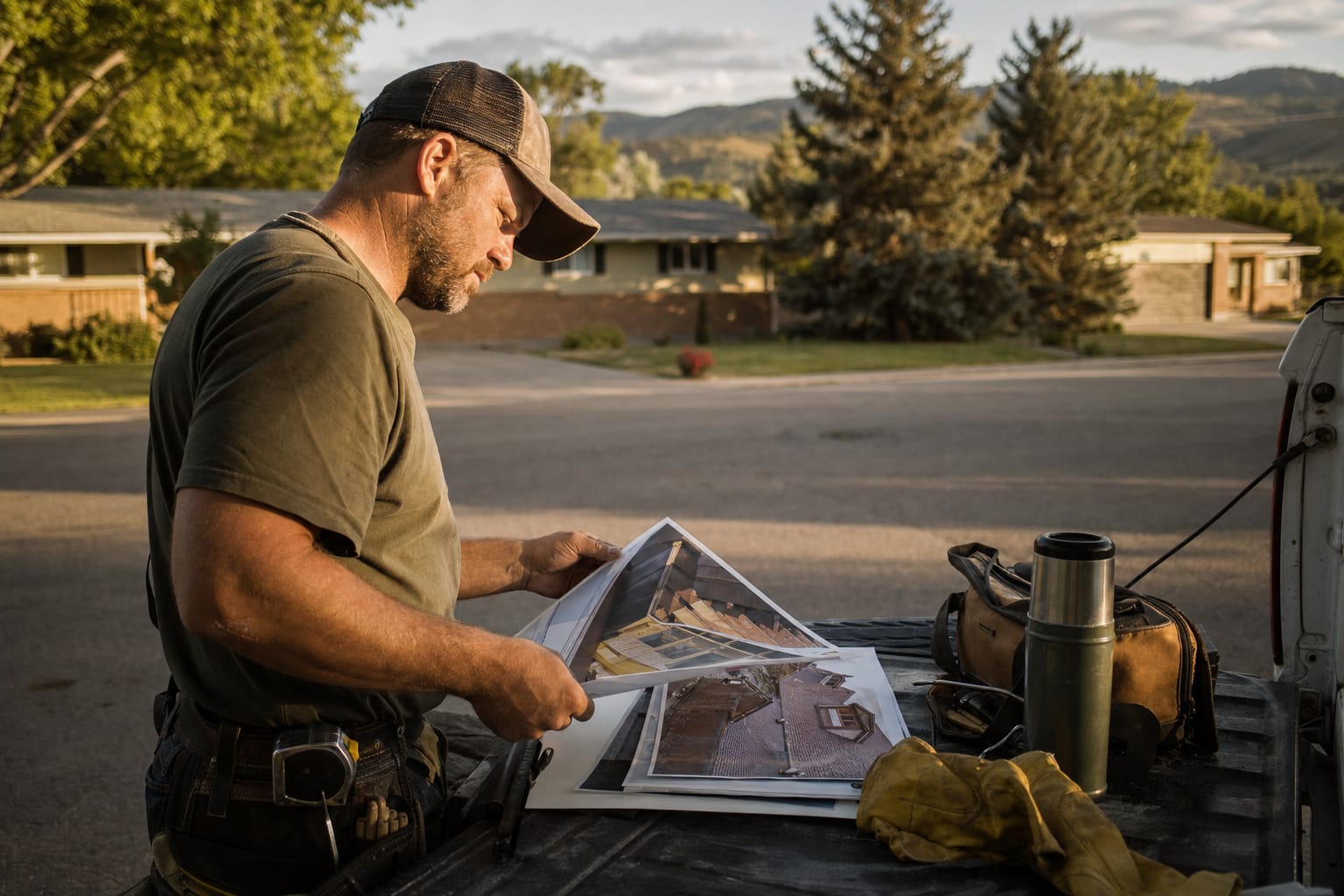
Fig. 05 Walking through the findings at the truck
Roof inspection questions
What homeowners ask about inspecting a roof.
What does a roof inspection consist of?
A roofer walks every slope and the exterior, checks shingles, flashings, vents, pipe boots, valleys, edges, siding and trim, and looks at the attic side if accessible. Each finding is photographed and written up with its location and severity.
What should a roof inspection include?
Photos, a date, the location of each finding, a plain-English severity and a recommendation. Any proposed work should come as an itemized written scope you can compare against anyone else’s.
Are roof repair estimates free?
Ours are. The inspection, photos and written scope cost nothing, because inspecting roofs is how a roofing contractor finds work. A home inspector hired for a real estate sale charges a fee, because the report is the product.
How urgent is roof repair?
An active leak is urgent, because water keeps moving into the deck and insulation between storms. A lifted seal, a cracked pipe boot or a few missing shingles can wait weeks, not seasons. The report should say which is which.
What is considered a minor roof leak?
One confined to a single spot with a clear cause, such as a cracked pipe boot or a lifted shingle, that has not yet soaked insulation or stained a ceiling. Minor leaks become major ones by being ignored, so trace it to the source anyway.
Free inspection
Want the checklist run by someone on the roof?
Our inspection covers every item in this guide, from the roof and from the attic, with photos and written findings you keep whether or not you hire us.