
Homeowner blog · Siding · Northern Colorado
Which Siding Holds Up in Colorado? Fiber Cement, Vinyl, Engineered Wood and Steel Compared
Colorado asks more of a wall than most places: high-altitude sun, summer hail, dry winters with daily freeze-thaw swings, and wind off the foothills. Here is how the four common siding materials handle each of those, and how to choose for your house rather than for a brochure.
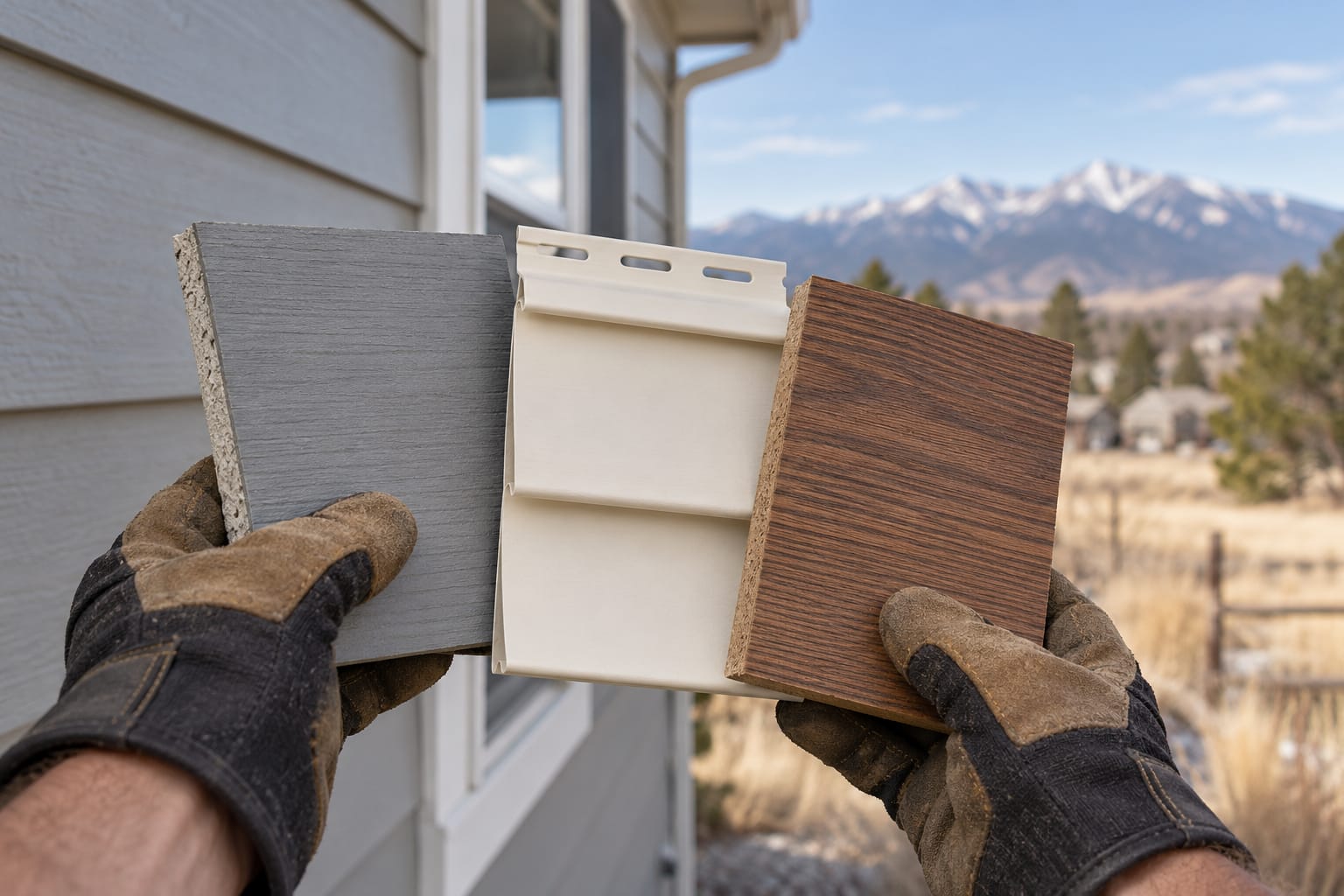
Fig. 01 Three samples against the wall they would protect
At a glance
- Fiber cement: heavy, stable, shrugs off sun and hail, needs paint eventually
- Vinyl: lowest cost and upkeep, but cold-brittle under hail and prone to fading
- Engineered wood: the wood look with less movement, as long as the finish is kept up
- Steel: dents rather than cracks, holds color, needs careful detailing
What Colorado asks of a wall
Four things, every year. Ultraviolet light at a mile of elevation under a mostly clear sky, which fades pigment and dries out anything organic. Hail in summer, which arrives sideways on the wind and tests the impact resistance of whatever faces southwest. Winters that swing above and below freezing day after day, which work at every joint and every place water can sit. And wind off the foothills that finds loose laps and lifts them. Add dry air that pulls moisture out of wood and the occasional wet spring snow sitting on a ledge, and you have a climate that sorts siding materials quickly.
For a sense of scale, InterNACHI’s life expectancy chart for home components lists fiber cement and engineered wood siding at 100 years or more and vinyl at about 60, under normal wear and regular maintenance. Those are guidelines, not promises, and Colorado is not normal wear. But the ranking holds up in the field.
Fiber cement
Cement, sand and cellulose fiber pressed into boards, usually with a wood-grain or smooth face, sold primed or factory-finished. It is the material most siding contractors in Northern Colorado reach for first, for reasons the climate explains: it does not burn, rot, or feed insects; it does not expand and contract much with heat; and a hailstone that would crack vinyl or dent steel usually leaves fiber cement alone. Factory finishes hold color well in the sun; a field-painted board will want repainting on the sunny walls eventually, which is maintenance, not failure.
Its weaknesses are practical. The boards are heavy and brittle until they are on the wall, so installation takes more labor and more care at the cuts, and the cost sits above vinyl. Cut ends and the bottom edges need sealing and the right clearance from roofs and grade, or they wick water. Installed by a crew that knows those rules, fiber cement is the material we would put on our own house in Fort Collins.
Vinyl
Vinyl is the lowest-cost option to buy and to install, it never needs paint, and it is easy to replace a panel at a time. On a shaded wall in a mild climate it can be an entirely reasonable choice. Colorado is not kind to it. Vinyl gets brittle in the cold, and a spring hail storm on a cold morning cracks it where summer hail would only bounce. The sunny walls fade, and because the color is in the material, there is no repainting them. Vinyl also expands and contracts a lot with temperature, which is why it is hung loose on its nails; on a wall that sees a 60-degree swing in a day, loose laps lift in the wind and rattle.
If you have vinyl now and it is intact, there is no reason to tear it off. If you are choosing new siding for a Front Range house, the money saved up front tends to come back as cracked panels after the next hail season.
Engineered wood
Wood strands or fibers bonded with resin and wax, pressed into boards with a wood-grain face, and treated against moisture and insects. It gives the look of real wood lap or shake, it is lighter and easier to cut and nail than fiber cement, and it moves less than solid wood. It handles hail well and does not get brittle in the cold.
Its one rule is the finish. Engineered wood depends on its paint or factory coating to keep water out of the fiber, so cut edges need sealing, the bottom edges need clearance, and the sunny walls need repainting before the finish fails rather than after. Keep the finish up and it is a long-lived, good-looking wall. Let it go and the edges swell, which is the failure you will see on neglected houses around town.
Steel
Steel siding, usually in lap or board-and-batten profiles with a baked-on finish, has a specific Colorado advantage: hail dents it rather than cracking it, so the wall stays weather-tight after a storm even if it is no longer flawless. The finish holds color well in UV, it does not burn, and it is light. The trade-offs are the dents themselves, which are cosmetic but permanent, a higher cost than vinyl, and detailing that matters more than with other materials: steel conducts heat and cold, moves with temperature, and needs correct trim, clearances and fastening so expansion has somewhere to go. It also looks like what it is, which suits some houses and not others.
Behind the siding
Whatever goes on the wall, the layer under it decides whether the house stays dry: a continuous water-resistive barrier, flashed windows and doors, kick-out flashing where a roof meets a wall, and clearance above roofs, decks and grade. Most siding failures we see in Northern Colorado are not the material; they are water that got behind it at a window or a roof-to-wall joint. Ask any siding bid to describe that layer in writing.
How to choose for your house
- Which walls take the weather. South and west walls get the sun and most of the hail. If the budget forces a choice, put the tougher material there.
- How you feel about paint. Fiber cement and engineered wood will want repainting on the sunny walls at some point. Vinyl and steel will not, at the cost of fade or dents you cannot fix.
- What is already there. Matching an existing material for a partial job is usually the right call; mixing materials on one house shows.
- Rules you live under. Some neighborhoods and historic districts restrict materials and colors. Check before you fall in love with a sample.
- Who installs it. Fiber cement and steel reward careful crews and punish careless ones. Ask the questions in our guide to vetting a contractor; they apply to siding too.
Repair a section, or re-side the house?
Hail that cracked a dozen vinyl panels on the west wall is a repair, if the color can still be matched. A rotted band of wood siding under a leaking window is a repair, plus fixing the window flashing that caused it. Siding that is failing on every wall, or a material that cannot be matched any more, is a re-side. The way to find out is the same as for a roof: a walk around the house with photos of every wall and a written scope that says which. That is what a siding and exterior inspection with us produces, and the report is yours whichever way you go. If the damage came from a storm, the same photos document it for your insurer; our after-the-storm checklist covers that order of operations.
Sources
- InterNACHI, Standard Estimated Life Expectancy Chart for Homes (siding materials): nachi.org/life-expectancy.htm
Keep reading
Related reading and services.
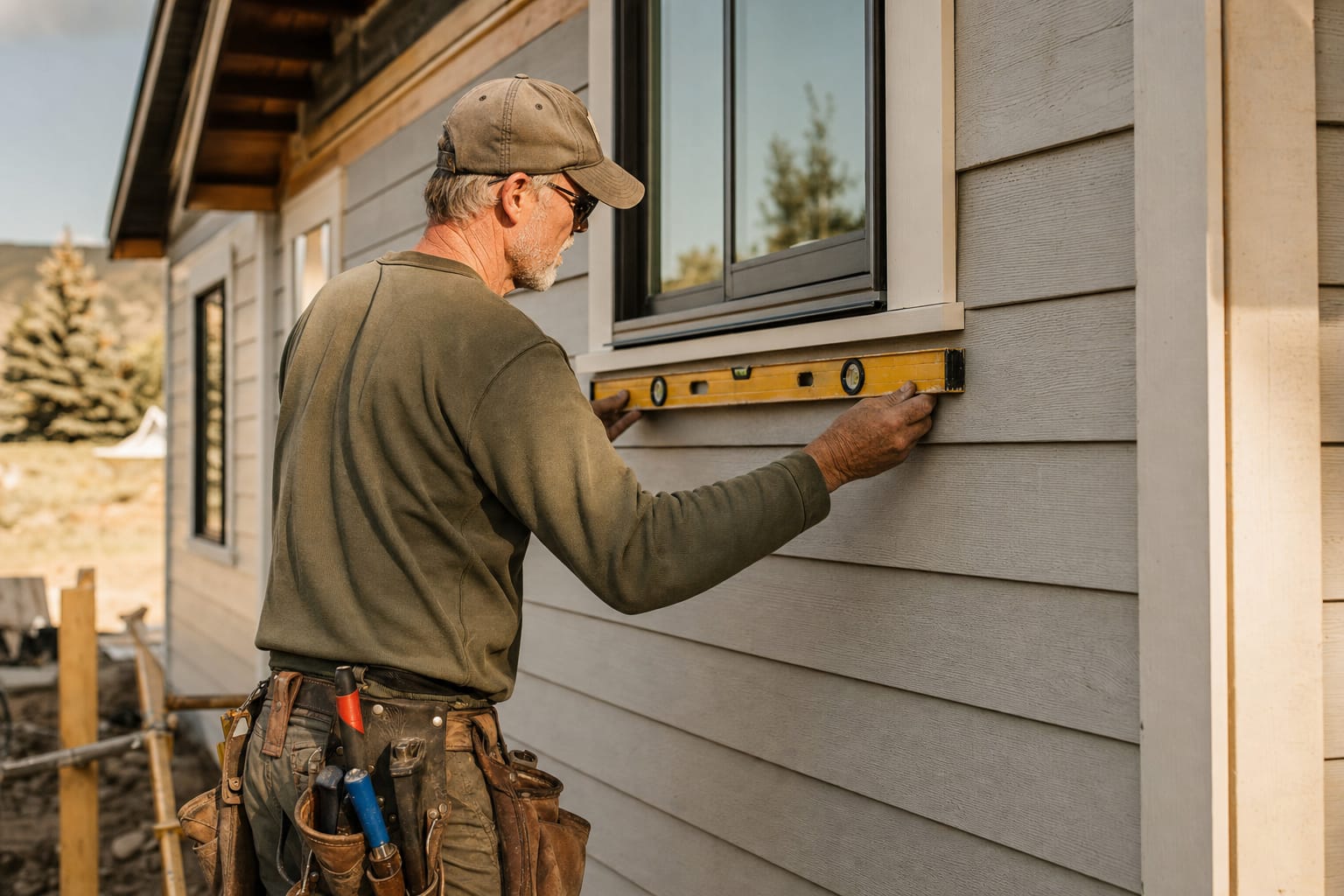
Siding repair and exterior restoration
Hail-cracked panels, rotted bands, failed trim and the flashing behind them, inspected and scoped in writing.
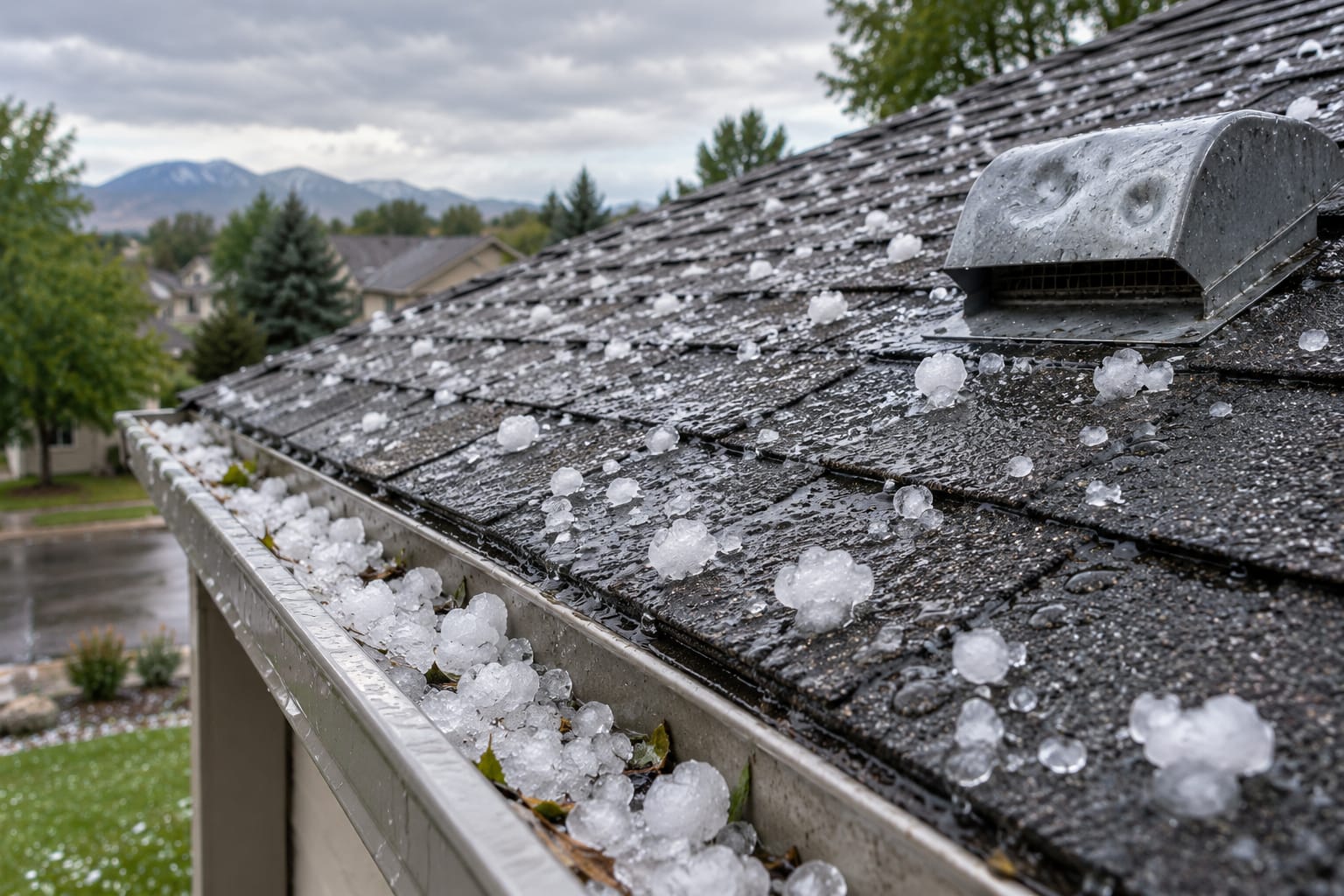
After a hail storm: the first few days
Photos first, temporary repairs second, the insurer third, and what to do when the trucks arrive.
Seven questions to ask before you sign
The address, the contract, the coverage, the scope, the claim, the crew and the local work. In that order.
Siding questions
What homeowners ask about siding in Colorado.
Which siding holds up to hail in Colorado?
Fiber cement and engineered wood usually take a hail hit without cracking, and steel dents rather than cracks, so the wall stays weather-tight. Vinyl is the one that cracks, especially in a cold-weather storm. No material is immune to the largest hail, which is why an after-storm walk around the house matters whatever is on the wall.
Is fiber cement siding worth the extra cost?
For a Front Range house, usually. It costs more than vinyl to buy and install, but it does not crack in hail, fade like vinyl or swell like neglected wood, and InterNACHI’s chart rates it for 100 years or more under normal maintenance. The extra cost buys the walls that take the most weather.
Do contractors do siding as well as roofing?
Many roofing companies, including ours, handle siding, fascia, soffit and trim, because the same storms damage all of them and the same flashing rules keep water out. Ask any contractor to describe the water barrier and flashing under the siding in the written scope, not just the boards on top.
Can hail-damaged siding be repaired instead of replaced?
Often, if the damage is limited to one or two walls and the existing material and color can still be matched. If the product is discontinued or the damage is on every wall, re-siding is usually the honest answer. A photographed walk-around with a written scope settles it, and documents the storm damage for your insurer at the same time.
How often does siding need painting in Colorado?
It depends on the material, the finish and the wall. Factory-finished fiber cement and engineered wood hold color longest; field-painted boards on south and west walls fade and chalk first. The rule is to repaint before the finish fails rather than after, because the finish is what keeps water out of the board.
Free inspection
Every wall photographed, the scope in writing, no obligation.
A free roof and exterior inspection in Fort Collins or anywhere in Northern Colorado. You keep the report either way.