
Homeowner blog · After the storm · Northern Colorado
After a Hail Storm in Northern Colorado: What to Do in the First Few Days
The storm passes, the hail melts, and within hours the first trucks are in the neighborhood. What you do in the next few days decides whether you end up with a documented roof and a clean claim, or a signed contract you do not understand. Here is the order to do things in.
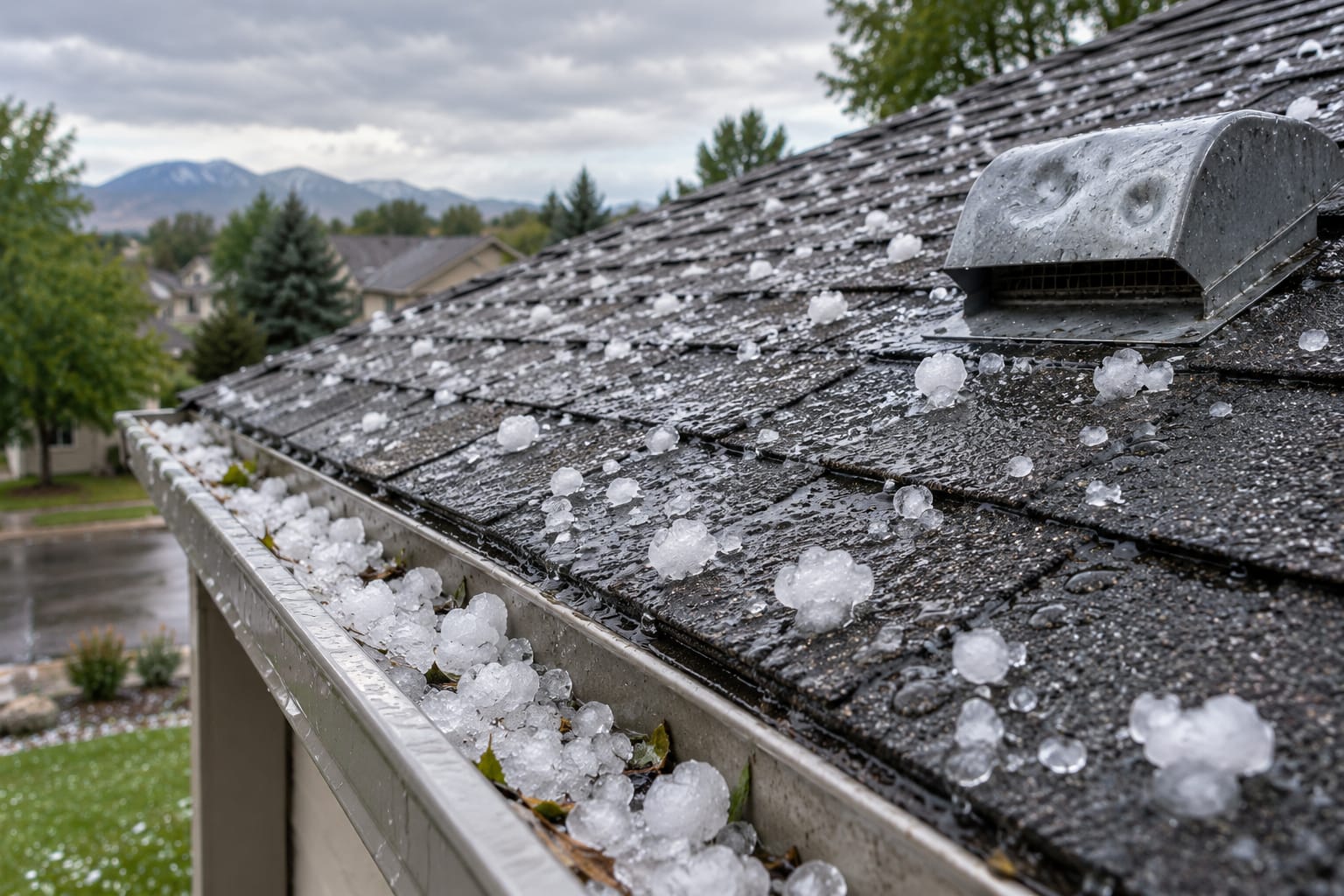
Fig. 01 The morning after, before anything is touched
At a glance
- Stay off the roof; check from the ground and the attic
- Photograph everything before anything is moved or tarped
- Stop the water, keep the receipts, call your insurer
- Sign nothing at the door; if you already did, Colorado law gives you 72 hours to cancel
First, the safety check from the ground
Do not get on the roof. Wet shingles after hail are slick, loose granules roll underfoot, and the damage you are looking for is small enough that you would not see it from a ladder anyway. Walk the property instead. Look for broken skylights and windows, hail-stripped siding and screens, dented vents and gutters, and water coming in anywhere it should not. Then check the attic with a flashlight: wet insulation, drips on the underside of the decking, daylight through the roof.
Downed lines and leaning trees are the real hazards after a Front Range storm. Keep clear of both and let the utility handle the lines. Everything about the roof can wait a day; nothing about a live wire can.
Photograph everything before anything moves
Your phone is the most important tool of the week. Before a tarp goes on, before a branch is dragged off, before anyone sweeps the hail off the deck, photograph the house from every side, the ground around it, the hail itself next to something for scale, and every piece of damage you can see from the ground. Take video walking around the property. Screenshot the weather alert and the time of the storm. The Insurance Information Institute’s advice for any disaster claim is to photograph or video the damage to substantiate the loss, and the record you make now is the one that holds up later.
Keep the originals. Do not crop or edit them. Put them in a folder with the date and leave them there.
Temporary repairs, and the receipts
If water is coming in, stop it. A tarp over the damaged area, plywood over a broken window, a bucket under the drip. The Insurance Information Institute puts it plainly: take reasonable steps to protect your property from further damage, save the receipts for what you spend, and submit them to your insurer. The same guidance says not to make extensive permanent repairs until the adjuster has assessed the damage. Temporary means temporary.
If you are not comfortable tarping a roof, do not. A local roofing company can do a tarp job that keeps the water out without turning into a sales call; ask for exactly that and nothing more.
When to call your insurer
Soon, but with the photos done first. Policies set time limits for reporting a loss, and calling early also gets you the practical answers: what your deductible is, how the claim will be handled and what the timeline looks like. Ask whether your policy pays replacement cost or actual cash value for the roof, because the difference changes what the first check will look like. Write down the claim number and the adjuster’s name.
One thing we will say clearly, because the trucks in your neighborhood may not: whether the damage is covered, and for how much, is a decision between you and your insurer. A roofing contractor documents the damage; it does not decide the claim, negotiate it or promise what it will pay. Our insurance claim documentation page explains exactly what we do and do not do.
Get a documented inspection from a local company
Hail damage on an asphalt shingle is a bruise: a soft spot where the impact crushed the granules into the mat, sometimes with a mark you can see and sometimes not. It is found by walking the roof, feeling the shingles and marking each hit in chalk, slope by slope, then photographing the marks and the pattern. A hail and storm damage inspection done this way gives you a count per slope and photos you can hand to the adjuster, your insurer or any other contractor.
Get it done before the adjuster visit if you can, so you walk into that meeting with your own record. And get it from a company with a physical address in the area, for a reason the next section explains.
What to do when someone knocks
They will. The Colorado Division of Insurance warns homeowners every storm season about door-to-door roofing sales after hail and wind storms, and the pattern is the same every year: a free inspection today, a finding of damage, a contract to sign now, and often an offer to take care of your deductible. Our guide to local roofers versus storm chasers covers the full checklist. The short version:
- Take the card, keep the door closed, sign nothing
- Look up the company’s physical address and how long the website has existed
- Any offer to waive, pay or absorb your deductible is unlawful in Colorado; end the conversation
- Any contract that assigns your claim or your insurance payout to the contractor deserves a hard no
- A deadline on the offer is a sales technique, not a roofing fact
Colorado law, in three lines
A roofing contract in Colorado must be in writing and must state the scope, approximate dates and costs, the contractor’s physical address and contact details, and your right to cancel within 72 hours of signing with a full refund of any deposit (C.R.S. 6-22-103). If your insurer denies the claim, you may also cancel within 72 hours of that written notice (C.R.S. 6-22-104). And no roofing contractor may pay, waive, rebate or promise to cover any part of your deductible (C.R.S. 6-22-105).
The adjuster visit
The adjuster will walk the roof, count hits in test squares and write a scope. Have your photos and the inspection report ready to share, and ask for a copy of the adjuster’s report when it is done. If the two reports disagree on what is damaged, you are entitled to ask your insurer how to resolve that; a written, photographed record is what makes the conversation about evidence rather than opinion.
Once the scope exists, the repair-or-replace question is usually answered by the pattern of damage: hits on one slope can often be repaired, hits across every slope usually mean replacement. Our article on how to decide between repair and replacement walks through that call. Whatever the answer, you choose the contractor. The insurer’s scope is about what is paid for, not about who does the work.
Sources
- Insurance Information Institute, Settling insurance claims after a disaster: iii.org
- Colorado Division of Insurance, consumer advisory on door-to-door roofing sales after storms: content.govdelivery.com
- Colorado Revised Statutes 6-22-103, 6-22-104 and 6-22-105: crs_6-22-103, crs_6-22-104, crs_6-22-105
The short version
Four steps, in this order.
01
Record
Photos and video of everything, from every side, before anything is moved. Keep the originals.
02
Protect and report
Stop the water with temporary repairs, keep the receipts, then call your insurer and write down the claim number.
03
Document
A local company walks the roof, marks every hit, photographs each slope and writes the scope. You keep the report whether or not you hire them.
04
Decide
Meet the adjuster with your record in hand, then choose repair or replacement, and the contractor, on evidence.
After the storm questions
What homeowners ask in the first week.
Who do I call first after hail damage to my roof?
If water is coming in, a local roofing company for a temporary tarp. Otherwise your insurer, once you have photographed the damage, to open the claim and learn your deductible and timeline. A documented inspection from a local company comes next, ideally before the adjuster visit.
How long do I have to file a hail claim in Colorado?
Your policy sets the deadline, and policies differ, so call your insurer and ask. Reporting promptly also protects you if damage shows up later, because the storm date is already on record.
Should I let the roofer at my door inspect my roof?
You can, but you do not have to, and you should never sign anything at the door. Any inspection you accept should end with photos and a written report you keep, not with a contract. Look the company up first: a physical address in the area and a website that existed before the storm are the minimum.
Can a contractor pay my deductible?
No. Colorado law prohibits a roofing contractor from paying, waiving, rebating or promising to cover any part of an insurance deductible, and the written contract must say so. An offer to do it is the clearest warning sign there is.
What if the adjuster finds less damage than my roofer did?
Ask your insurer, in writing, how disagreements are resolved under your policy; many policies describe a process for a second inspection or review. Your photographed, slope-by-slope report is what makes that conversation about evidence. We provide the documentation; the claim decision stays with your insurer.
Free inspection
Had hail? Get the roof documented before anyone sells you anything.
A free inspection with photos and written findings you can hand to your insurer. We document; the decisions stay with you.