
Homeowner blog · Hiring a roofer · Fort Collins
Seven Questions to Ask a Fort Collins Roofer Before You Sign
Every roofer sounds good at the kitchen table. The difference shows up in the answers to a few specific questions, and in whether those answers arrive in writing. Ask these seven, in this order, and the decision gets a lot easier.

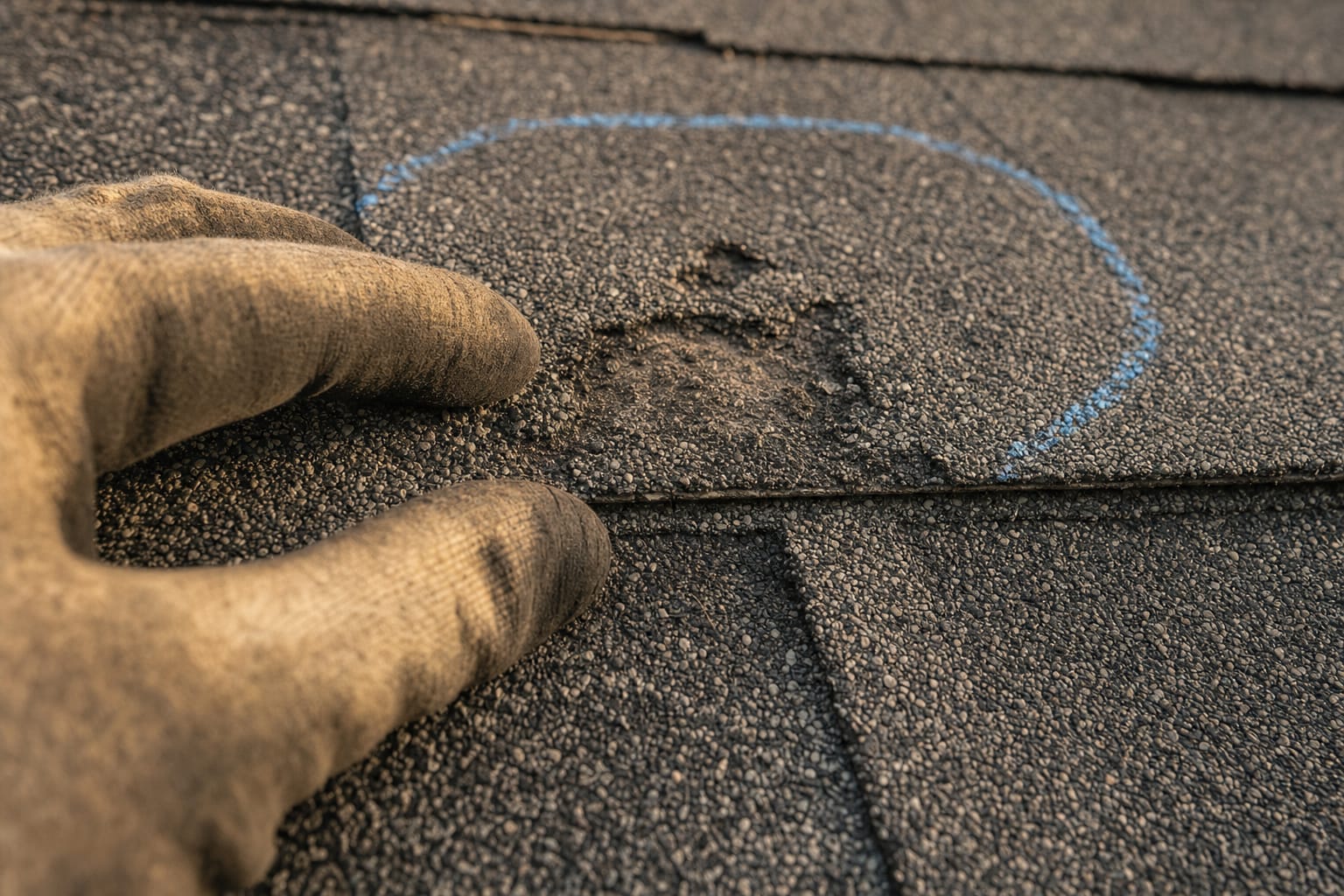
Fig. 01 The contract, the sample and the questions
At a glance
- A physical address in the area and a website older than the last storm
- The written contract Colorado law requires, before any deposit
- A line-by-line scope with the materials named
- A straight answer on what they will not do with your insurance claim
The seven questions
1. Where is your office, and how long has your website existed?
Start with the boring question, because it filters out the most trouble. A roofing company that will still be here in five years has a physical address in Northern Colorado, not a P.O. box or a rented mailbox, and a web presence that predates the last hail storm. The Colorado Division of Insurance warns homeowners every season about crews that arrive after a storm, sell hard, and leave before the first winter tests the work. Look the address up on a map. Look at when the website was first published. Neither takes more than five minutes, and both tell you more than a brochure.
2. Can I see the written contract before I pay anything?
In Colorado this is not a courtesy. Under the state’s residential roofing law, a roofing contractor must give you a written contract, signed by both of you, before the work starts. Ask to see the company’s standard contract at the first meeting and read it at your own table, not theirs. The law says what has to be in it, so you can check it against the list below. A company that will not show you its contract until you have committed is telling you how the rest of the job will go.
What the contract must contain (C.R.S. 6-22-103)
- The scope of roofing services and materials to be provided
- The approximate dates of service and the approximate costs, based on damage known at the time
- The contractor’s physical address, email address and telephone number
- Who carries the contractor’s surety and liability coverage, with their contact information
- Your right to cancel within 72 hours of signing and get any deposit back in full
- A statement that the contractor cannot pay, waive, rebate or promise to cover any part of your insurance deductible
- A statement, in bold, that any payment you make is held in trust until roofing materials are delivered
3. Who carries your liability coverage, and may I call them?
The contract has to name the company’s liability coverage carrier, so this question has a short answer or an awkward one. Ask for the carrier’s name and a phone number, then call and confirm the coverage is current. If a worker is hurt on your roof or a dropped bundle goes through a neighbor’s windshield, the contractor’s coverage is what stands between the accident and your homeowners policy. “We are fully covered” is a sentence. A carrier you can call is a fact.
4. What exactly is in the scope, line by line?
A single number on a business card is not an estimate. The Insurance Information Institute’s advice for any repair after a loss is to get written bids that include the materials to be used and the prices line by line, and that advice holds whether or not insurance is involved. For a roof, line by line means: tear-off and disposal, decking inspection and the per-sheet price for any replacement, underlayment and ice barrier, drip edge, starter, the shingle product by name and color, ridge cap, flashings and boots, ventilation, cleanup, and permit. If a line is missing, ask whether it is included or just unmentioned. The second answer is where the change orders come from.
Ask too how the scope was produced. A scope written from the ground is a guess. A scope written after a walk of every slope, with photos you get to keep, is what a roof inspection is supposed to produce, and it is what we hand you whether or not you hire us.
5. What will you do, and not do, with my insurance claim?
Listen for the “not.” A roofing contractor can document the damage, photograph it, write a scope and share all of that with you and your adjuster. A roofing contractor cannot negotiate your claim on your behalf without holding a Colorado public adjuster license, cannot decide what your policy covers, and cannot pay, waive or rebate your deductible. The right answer to this question names those limits without being asked. The wrong answer is “we handle everything with the insurance company,” and the worst answer is any version of “we will take care of your deductible,” which Colorado law prohibits outright. Our insurance claim documentation page spells out where our work ends.
6. Who is actually doing the work, and who do I call during the job?
Many roofing jobs are done by subcontracted crews, which is normal; what matters is whether the company knows and supervises them. Ask whether the crew is the company’s own or a sub, who the supervisor on site will be, whether that person speaks your language, and which phone number reaches a decision maker while the roof is open. Ask what happens if weather closes in halfway through a tear-off. A company that has done this before has a plan and can describe it in two sentences.
7. Can I see local work and talk to the people who own it?
Not photos on a phone: addresses. Ask for two or three roofs the company put on in your town more than a year ago and drive past them. Ask whether the owners would take a call. A roof that looks right after a winter and a hail season, from a homeowner who would hire the company again, is worth more than any review page. If a company is new, as every company once was, it should say so and answer the other six questions all the more carefully.
How to tell if a roofer is stretching the truth
You rarely catch it in a single statement. You catch it in mismatches between what is said and what is written, and in what the salesperson wants you to do quickly. These are the patterns that should stop the conversation:
- A deadline on the price. Shingle prices do not expire on Friday. The deadline is there so you do not get a second bid.
- A verbal promise that is not in the contract. If it mattered enough to say, it matters enough to write down. Ask for it in the document or treat it as not offered.
- Any promise that the roof will cost you nothing. Insurance may cover storm damage after your deductible; nobody gets a roof for free, and anyone who says so is planning to make up the difference somewhere.
- Damage found that you were not shown. Every finding should come with a photo you can keep and a location on the roof. “Trust me, it is bad up there” is not a finding.
- A large deposit before materials arrive. Colorado law requires the contractor to hold your payment in trust until materials are delivered, and the contract must say so.
- An address that is a mailbox. See question one.
None of this requires you to be a roofing expert. It requires you to ask for things in writing, look things up, and refuse to be hurried. Our About page explains how we work, and we answer anything it does not cover in writing. Our guide to local roofers versus storm chasers covers the after-storm version in more depth.
Sources
- Colorado Revised Statutes 6-22-103 (written contract) and 6-22-105 (deductibles): crs_6-22-103, crs_6-22-105
- Colorado Division of Insurance, consumer advisory on door-to-door roofing sales: content.govdelivery.com
- Insurance Information Institute, Settling insurance claims after a disaster (written, line-by-line bids): iii.org
Keep reading
Related reading.
Local roofers vs storm chasers
Six things to check before you sign with a roofer who knocks after a hailstorm, and what Colorado law says about deductibles.
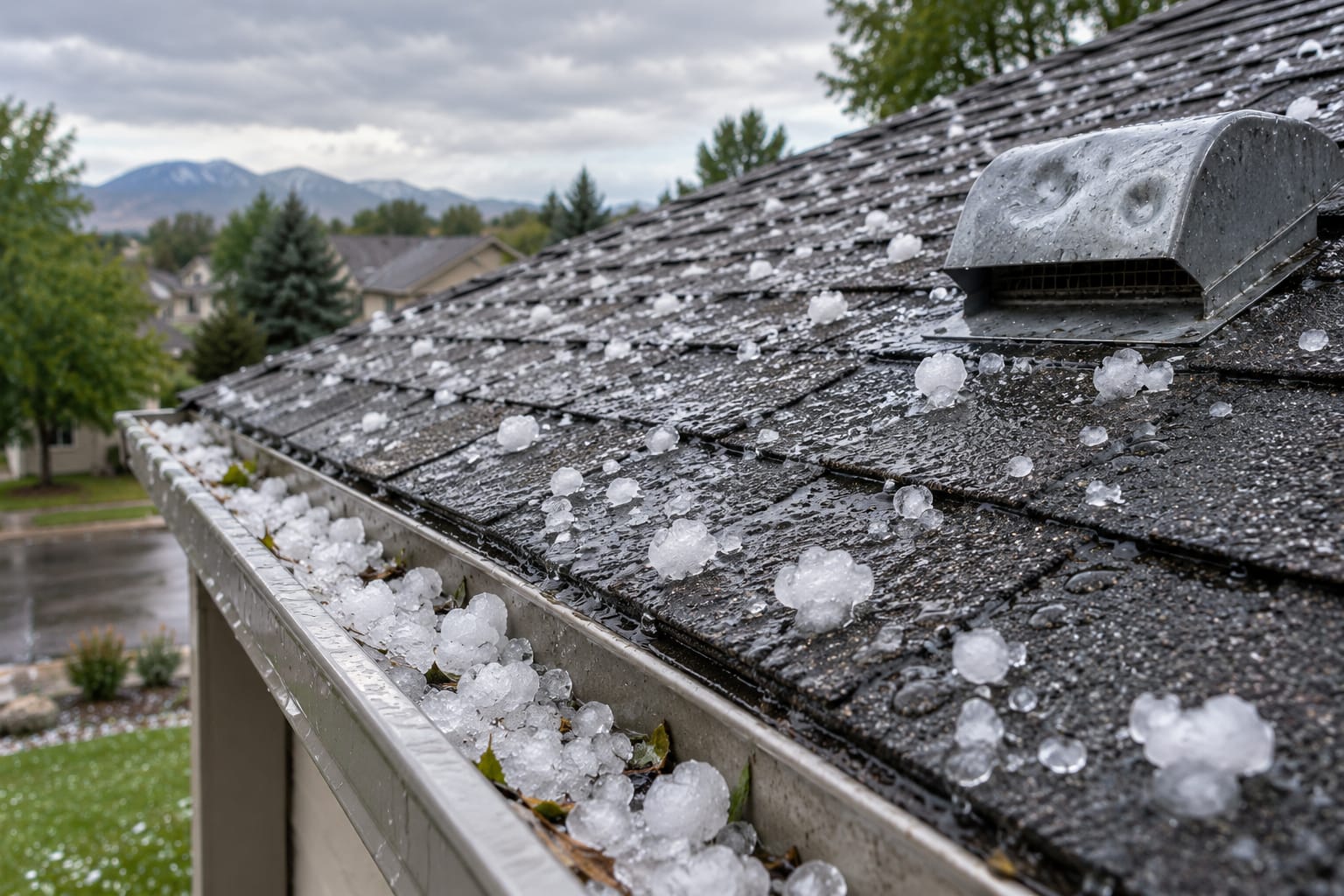
After a hail storm: the first few days
Photos first, temporary repairs second, the insurer third, and what to do when the trucks arrive.
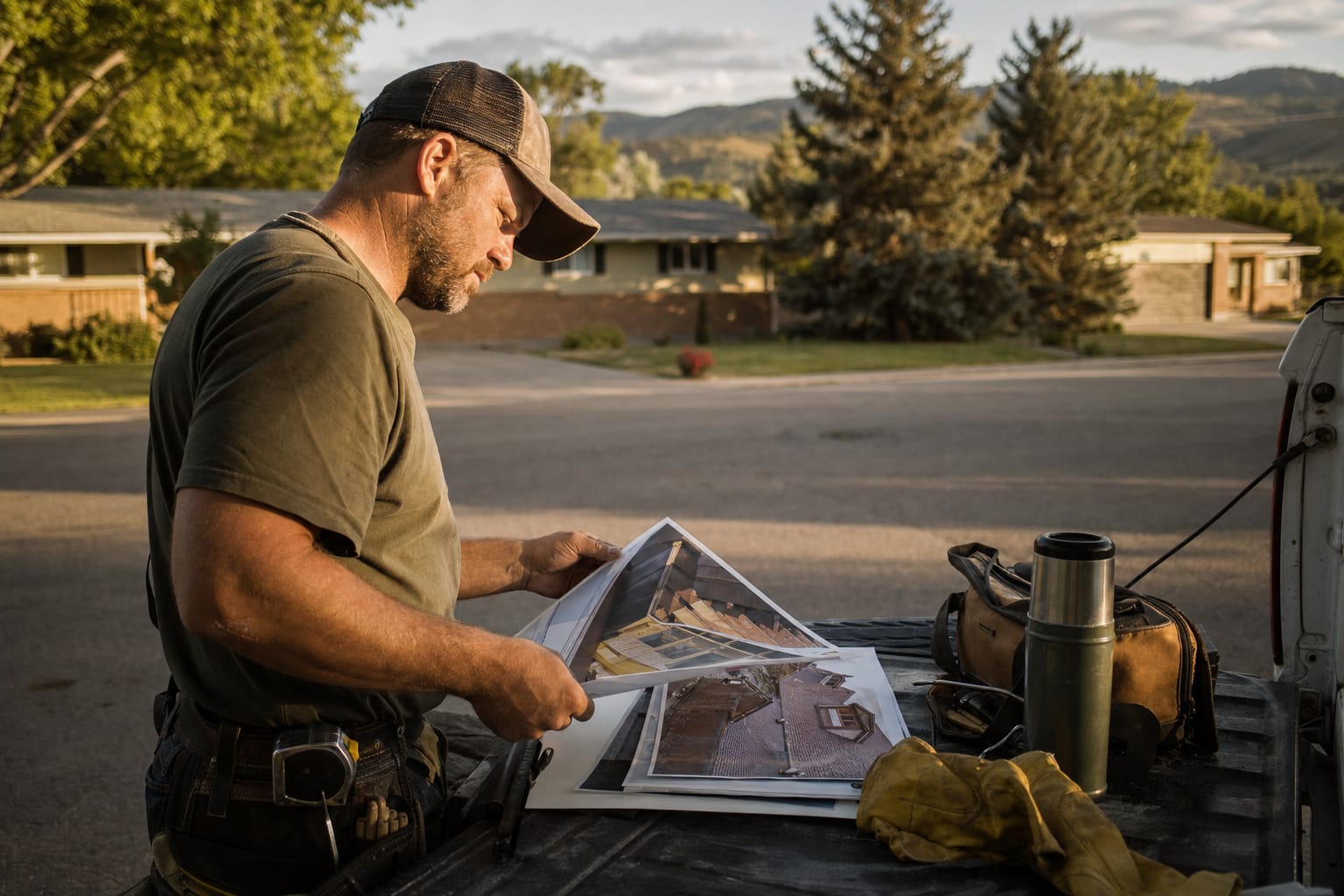
How we work
The written scope, the photos you keep, and what we will not do with your claim, in plain words.
Hiring questions
What homeowners ask before choosing a roofer.
How do I find a reputable roofing company in Colorado?
Judge the company on evidence rather than claims: a physical local address, a website that predates the last storm, a written contract that matches what Colorado law requires, a liability coverage carrier you can call, a line-by-line scope with the materials named, and local roofs more than a year old that you can drive past.
Should I get more than one roofing bid?
Yes, and compare them line by line rather than by the total. Two bids that name different underlayments, different shingle products or different flashing work are not the same job at different prices. A bid that refuses to be itemized is the one to drop.
Is a verbal roofing quote binding in Colorado?
Colorado’s residential roofing law requires a written contract signed by both the contractor and the homeowner, with the scope, dates, costs and the contractor’s contact details in it. Treat anything said but not written as not offered.
Can I cancel a roofing contract after I sign it?
Under Colorado law the contract must give you the right to cancel within 72 hours of signing and receive any deposit back in full. If your insurer later denies the claim, you may also cancel within 72 hours of that written notice.
How do I check whether a roofer is registered in my city?
Ask the company which contractor registration or license it holds and in which cities, then confirm it with the building department of the city where your home is. The permit for your job is also a check: ask who pulls it and under whose name.
Free inspection
Ask us the seven questions. We answer in writing.
A free inspection comes with photos, a written scope and straight answers to everything in this article.