
Homeowner blog · Repair or replace · Northern Colorado
Roof Repair or Replacement: How to Decide for a Northern Colorado Home
A leak does not mean you need a new roof, and a roof that looks fine from the driveway is not always worth repairing. The honest answer comes from the age of the roof, the spread of the damage and what the inspection report shows. Here is how to weigh it.
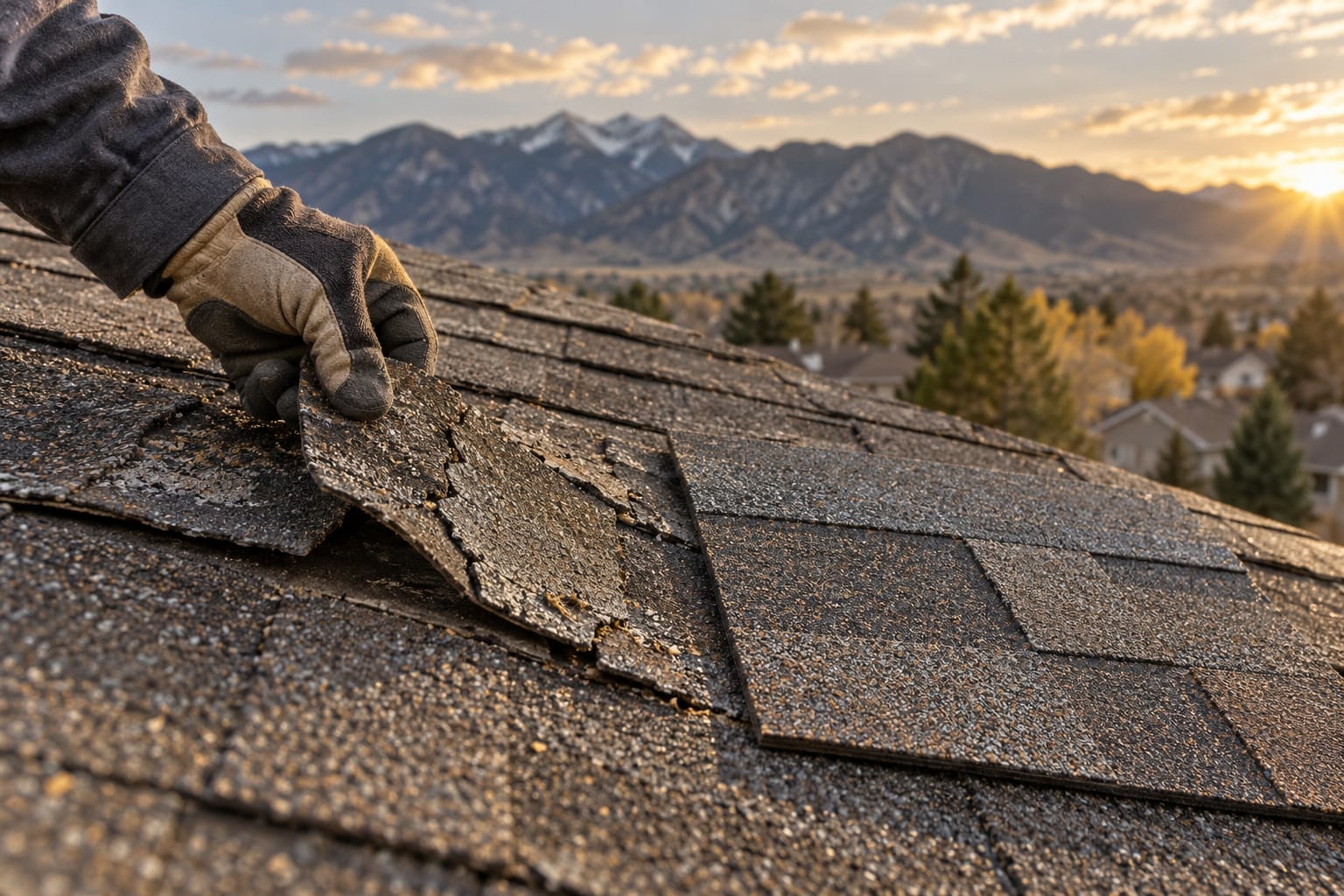
Fig. 01 A cracked tab beside its replacement
At a glance
- Repair when the damage is local and the roof has years left
- Replace when the damage is spread out or the roof is near the end of its rated life
- Part of a roof can be repaired; expect a visible difference in color
- Decide from a photographed, written scope, never from a verbal quote
When a repair is the right call
Most roof problems in Fort Collins start small and local. A pipe boot cracks and lets water run down the vent. Wind lifts a few tabs along one edge. A valley collects pine needles, backs up a thaw and stains the ceiling below it. A satellite mount was screwed through the shingles and never sealed. None of these mean the roof is finished. They mean one part of a working system failed.
A roof repair is the right answer when three things are true at once. The damage is confined to one area or one component. The shingles around it are still flexible, still holding their granules and still sealed to each other. And the roof has enough life left that the repair will be outlived by the roof around it, not the other way round.
- A single leak traced to a flashing, boot, vent or skylight
- Wind damage on one slope or along one edge
- A handful of cracked, lifted or missing shingles on a roof that is otherwise sound
- Damage from a fallen limb that stayed in one place
- Ice dam damage at an eave where the rest of the roof drains correctly
When replacement is the honest answer
Replacement becomes the honest recommendation when the damage is no longer local. Hail that bruised shingles across every slope. Granule loss that has exposed the asphalt mat over large areas, so the shingles are brittle and cannot be lifted to slide a new one under without cracking the neighbors. Shingles that have curled or cupped across the sun-facing slopes. More than one leak, in more than one place, with different causes. Or a roof that has already had its second or third repair in a few years, where each fix is sound but the roof keeps finding new ways to fail.
There is also a practical limit. A repair means lifting the surrounding shingles to tie the new ones in. On a brittle roof that lifting breaks the seal strips and cracks the tabs, so the repair creates new weak spots around the old one. A good roofer will tell you when a roof has reached that point, and will show you the cracked tabs rather than ask you to take it on faith. That is the point where a roof replacement stops being the expensive option and becomes the only one that holds.
The Colorado pattern
Front Range roofs age unevenly. The south and west slopes take the UV and the afternoon hail; the north slope stays shaded and holds moisture longer. It is common for one side of a roof to be ready for replacement while the other side still looks young. A report that photographs each slope separately shows you this; a drive-by estimate does not.
The age test: how old is the roof, really?
Age is the tiebreaker. InterNACHI, the home inspectors’ association, publishes a life expectancy chart for home components that puts three-tab asphalt shingles at about 20 years and architectural asphalt shingles at about 30, with the clear note that these are guidelines under normal wear and regular maintenance, not promises. Colorado sun, hail and freeze-thaw cycles tend to push a roof toward the early end of those ranges rather than the late end.
So the question to ask is not “how old is my roof” but “how much of its rated life is left.” A ten-year-old architectural roof with one wind-damaged edge should be repaired. A twenty-two-year-old three-tab roof with the same edge damage is a different conversation, because every dollar put into it buys a year or two at most. If you do not know the roof’s age, the permit history at your city’s building department often has the last replacement on record, and the inspection photos will show the wear either way.
Can you repair just part of a roof?
Yes. A single slope, a valley, an eave or a section around a chimney can be replaced on its own, and on a roof with years left that is often the smart move. Two things to know before you choose it.
First, color. Shingles weather. A new section in the same product and color will look newer than the roof around it, sometimes for years, and a discontinued color will not match at all. On a rear slope nobody sees, that is fine. On the slope facing the street, you may decide the mismatch matters more than the savings.
Second, the tie-in. Partial replacement is only as good as the seam where new meets old. The new section has to lap correctly under the existing courses, with the underlayment and flashing carried through, or the seam becomes the next leak. Ask to see how the tie-in will be done, in writing, before the work starts.
If the damage came from a storm and you have an insurance claim open, whether the insurer pays for a slope or for the whole roof is a question about your policy’s wording, not about roofing. Ask your insurer directly. We document what is damaged and what is not, with photos, and the coverage decision stays with them.
Can a handyman repair a roof?
Some of it. Replacing a few tabs or resealing an exposed nail is within reach of a careful handyman, and plenty of homeowners do it themselves. The trouble is that most leaks are not in the field of the roof. They are at the details: step flashing along a wall, the saddle behind a chimney, a valley, a pipe boot, the drip edge at the eave. Those are where the water concentrates and where the fix depends on knowing how the layers lap. A patch that looks tidy from the ladder can send the water sideways into the sheathing, and the leak shows up a season later somewhere else.
There is also a legal difference. In Colorado, a company doing roofing work on your home is a residential roofing contractor under state law, and the law sets out what its written contract must contain. A handyman doing a favor is not working under that framework. For anything beyond a cosmetic fix, that written contract is part of what you are paying for.
Colorado law
Colorado’s residential roofing law (C.R.S. 6-22-103) requires a written contract that states the scope of work and materials, the approximate dates and costs, the contractor’s physical address, email and phone, who carries the contractor’s liability coverage, and your right to cancel within 72 hours of signing with a full refund of any deposit. It also must state that the contractor cannot pay, waive or rebate any part of your insurance deductible. If a repair quote comes without that document, ask for it.
What the inspection report should show before you choose
You cannot make this decision from the driveway and neither can a roofer. A roof inspection worth having walks every slope and comes back with photos you can hand to anyone: the damage itself, the condition of the shingles around it, the flashings and penetrations, the attic side if it is accessible, and a written scope that says repair or replace and why. Our roof inspection checklist lists every place a Colorado roof tends to fail; the report should cover each one.
- Photos of each slope, not just the damaged one
- Close-ups of the shingle condition: granules, flexibility, seal strips
- Every flashing, boot, vent and valley, with a note on each
- The attic side: staining, daylight, ventilation
- A written scope with the recommendation and the reasoning
- No deadline, no pressure, no signature line on the report itself
With that in hand, the decision usually makes itself. Local damage on a roof with life left: repair it, and expect the repair to outlast the question. Spread-out damage, brittle shingles or a roof near the end of its range: replace it, and stop paying for patches. Either way, you are deciding from evidence you own, which is the whole point of a free inspection that comes with a report.
Sources
- InterNACHI, Standard Estimated Life Expectancy Chart for Homes: nachi.org/life-expectancy.htm
- Colorado Revised Statutes 6-22-103, residential roofing contracts: colorado.public.law/statutes/crs_6-22-103
Keep reading
Related reading and services.
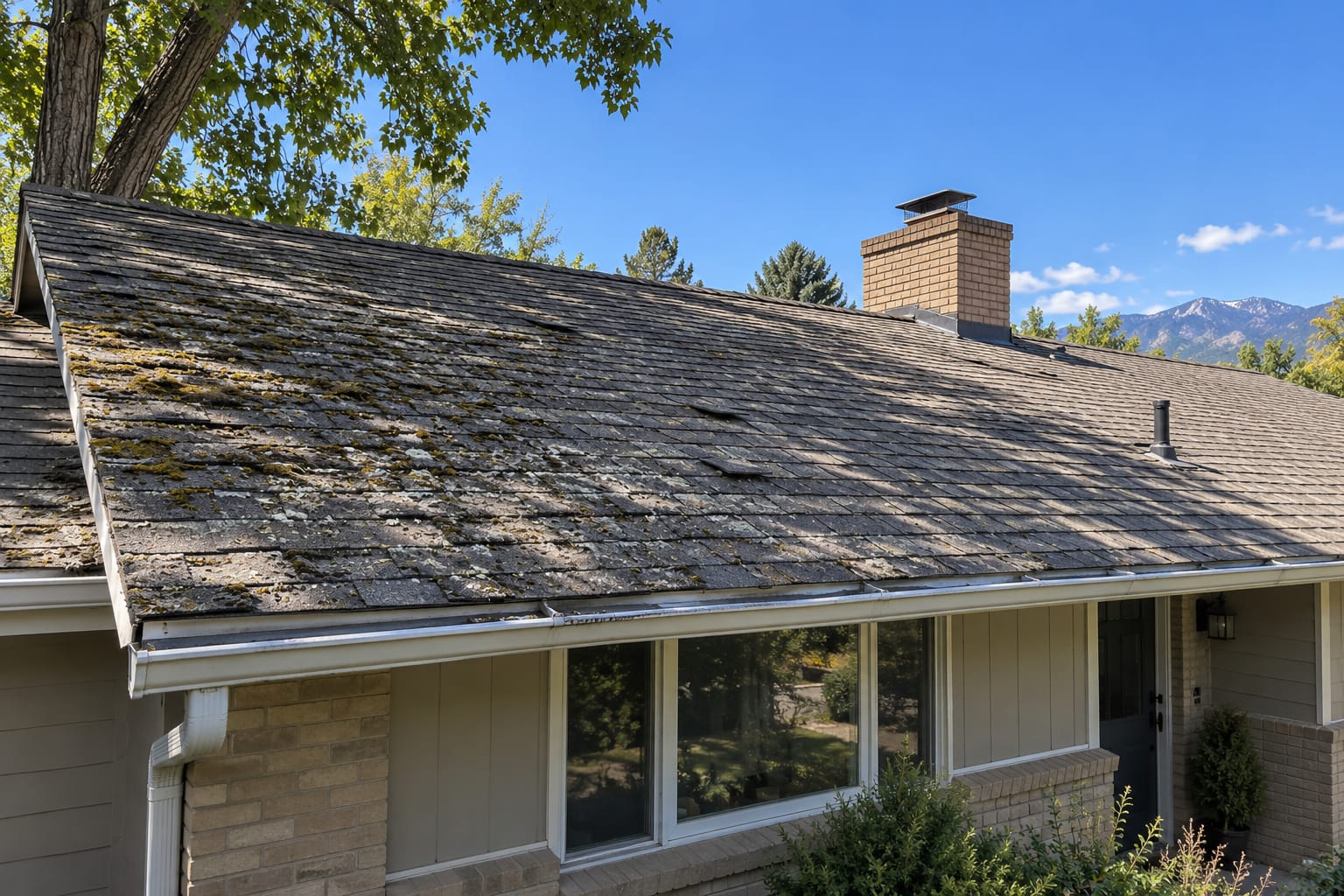
How long does a roof last in Colorado?
The rated life of each roofing material, what the Front Range does to it, and the habits that add years.
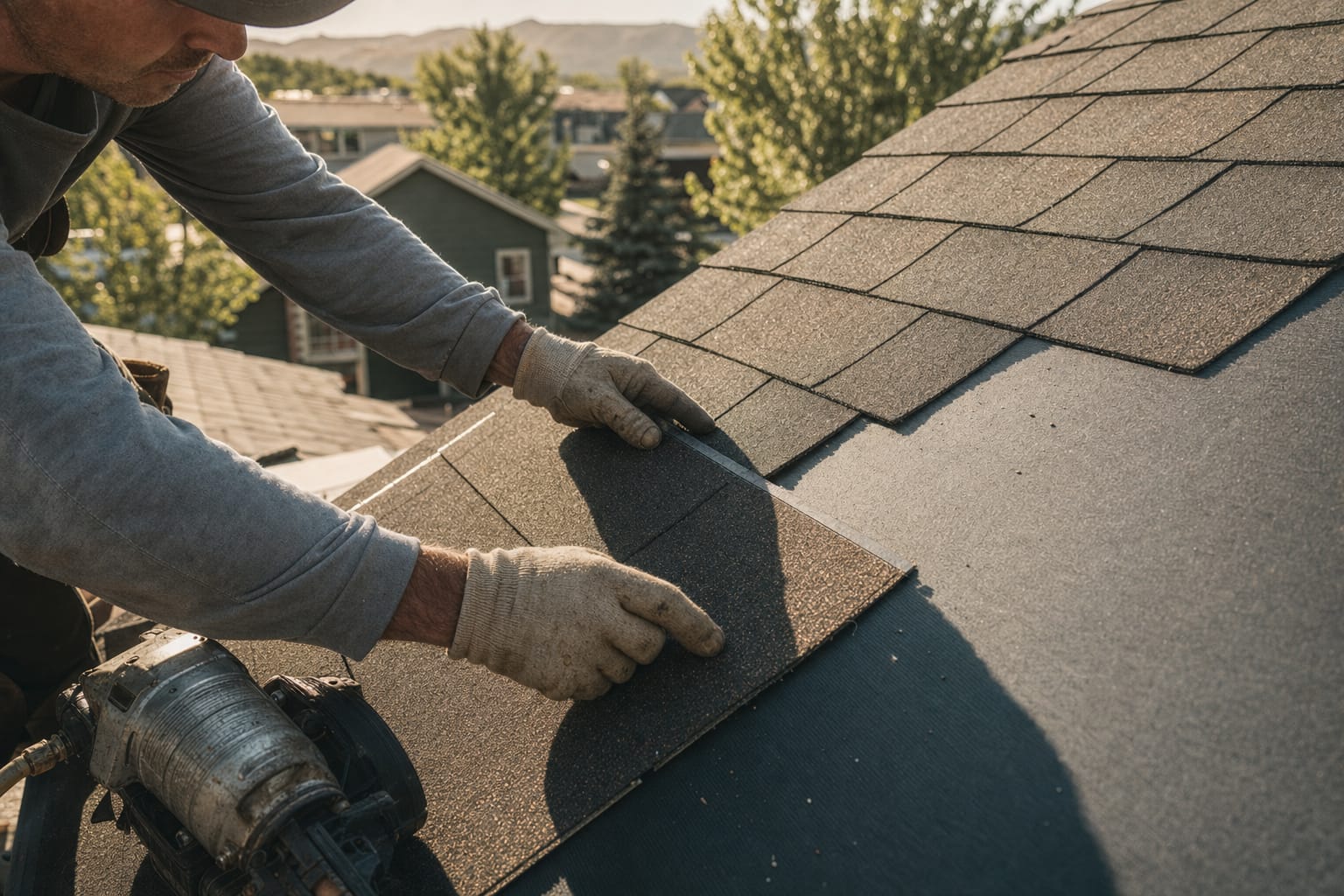
Roof replacement in Fort Collins
What a full replacement involves, from tear-off and decking to the final walkthrough, and how the scope is written.
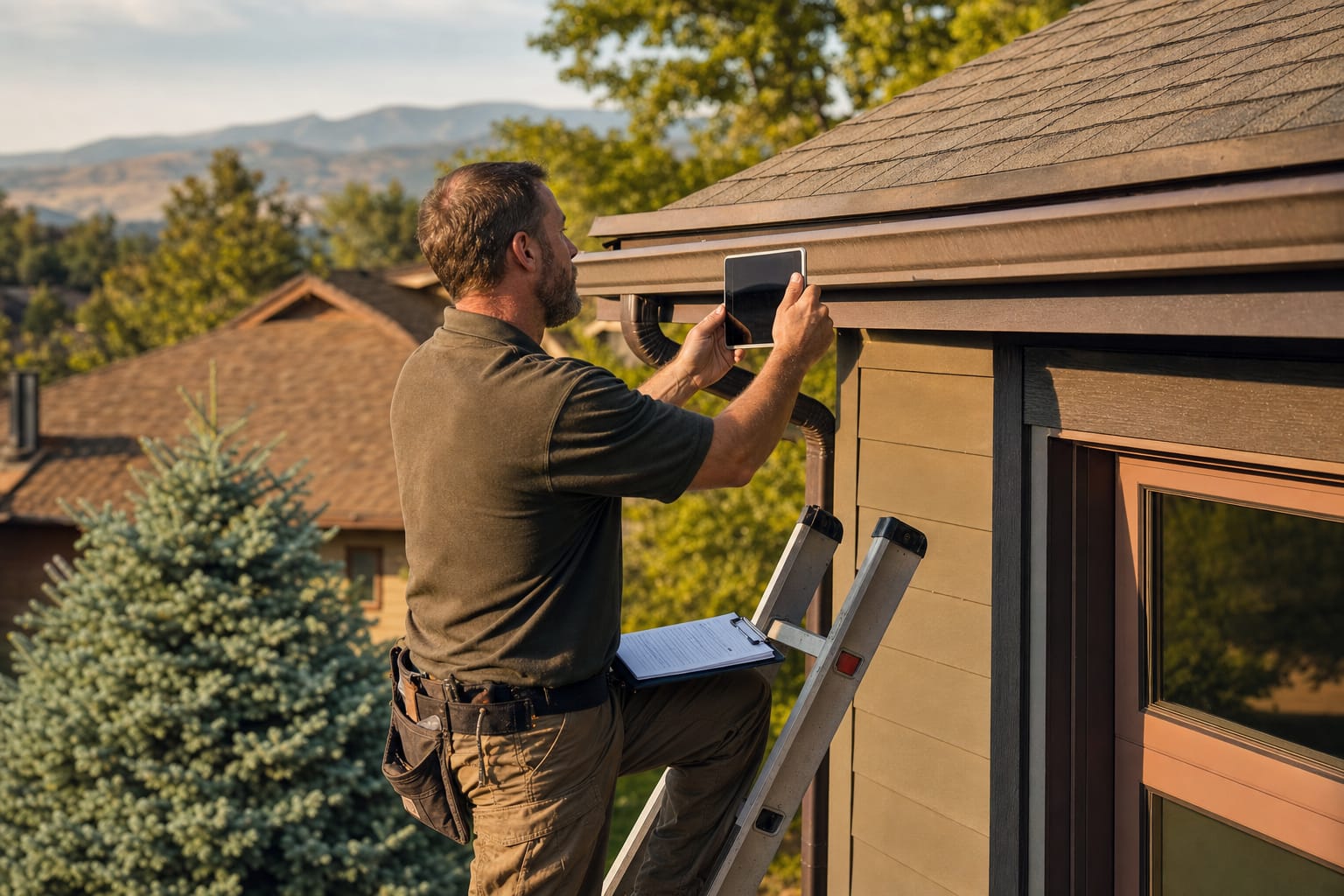
Roof inspection checklist
Every place a Colorado roof tends to fail, in the order an inspector checks them.
Repair or replace questions
What homeowners ask when a roof starts to fail.
Is it cheaper to repair or replace a roof?
A single repair always costs less than a replacement on the day. The real comparison is the cost of the repairs a roof will need over its remaining life against the cost of replacing it once. On a roof with years left, repair wins. On a roof near the end of its rated life, repeated repairs usually cost more than they save.
How do I know if my roof needs replacing?
Look for damage spread across several slopes, shingles that crack when lifted, heavy granule loss that shows the dark mat underneath, curling across the sun-facing slopes, or more than one leak with different causes. Any of those on a roof near the end of its range points to replacement. A photographed inspection confirms it either way.
Can a roof be repaired after hail?
Sometimes. Hail that bruised a few shingles on one slope can be repaired. Hail that bruised shingles across every slope usually cannot, because each bruise is a spot where the mat is exposed and will fail early. The inspection should mark and count the hits per slope so you and your insurer can see the pattern.
Will a repair match my existing shingles?
In product, usually; in color, rarely at first. Shingles weather, so a new section looks newer than the roof around it for a while, and a discontinued color will not match at all. On a slope nobody sees that is fine. On the street-facing slope, weigh the mismatch against the savings before you choose a partial repair.
Does insurance pay for a repair or a full replacement?
That depends on your policy and on what the adjuster finds, and the decision belongs to your insurer. Sudden storm damage is commonly covered after your deductible; wear and age are not. Our job is to document what is damaged and what is not, with photos and a written scope, so the decision is made on evidence.
Free inspection
Find out which one your roof actually needs.
A free inspection with photos, slope by slope, and a written scope that says repair or replace and why. You keep the report either way.