
Homeowner blog · Roof coatings · Northern Colorado
Do Roof Coatings Actually Work? What They Fix, What They Do Not, and When to Skip Them
Yes, on the right roof. A reflective coating over a sound low-slope roof does what the Department of Energy describes: it reflects sunlight and keeps the roof cooler in the sun. On the wrong roof it is money spent to hide a problem for a season. Here is the line between the two.
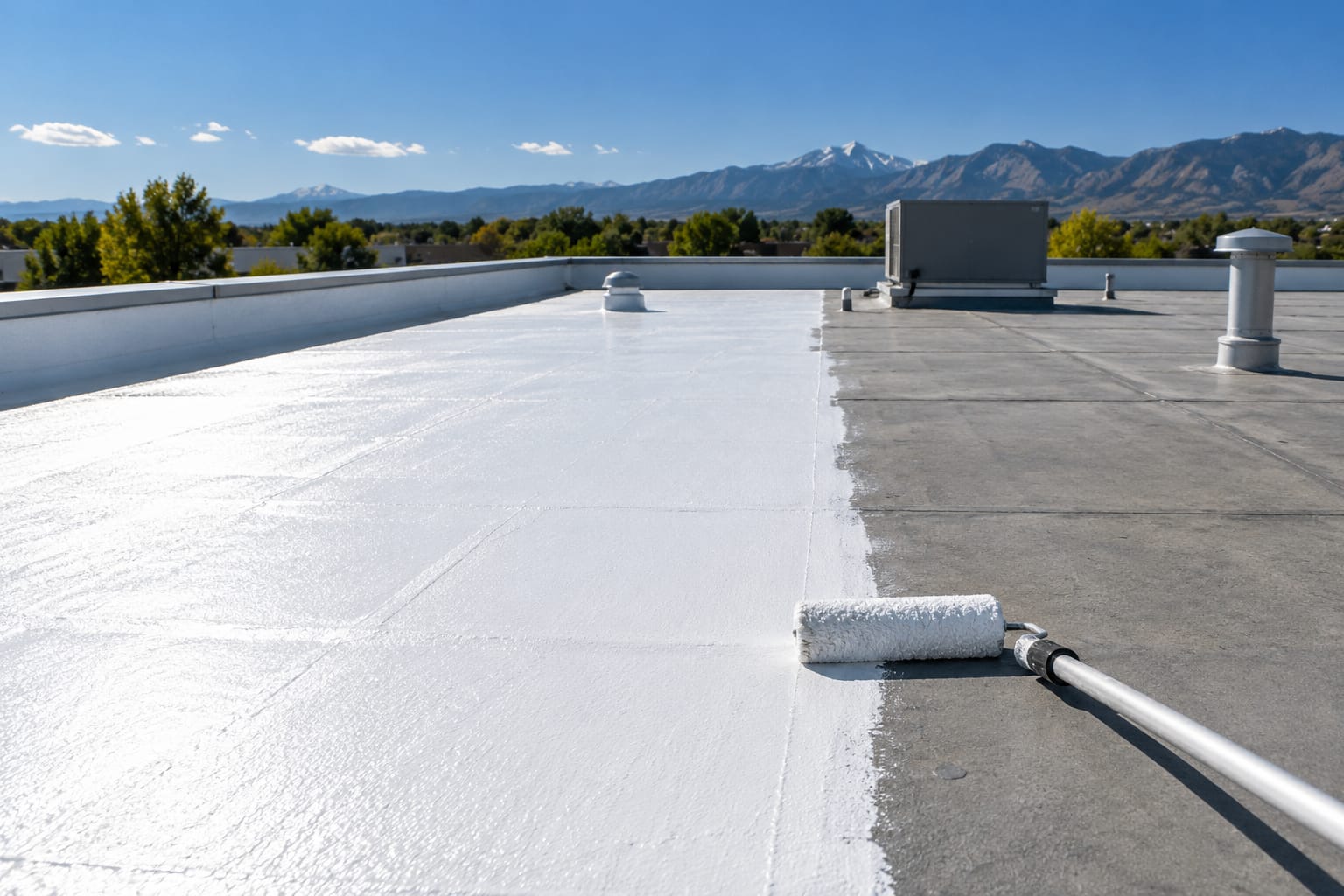
Fig. 01 Coated and uncoated, same roof, same sun
At a glance
- Coatings work on sound low-slope roofs: cooler surface, less UV wear, seams sealed
- They do not fix wet insulation, failed seams, ponding or a membrane at the end of its life
- They are not a treatment for sloped shingle roofs
- Preparation and an honest inspection decide the result
What a roof coating is
A roof coating is a thick liquid, usually acrylic, silicone or another elastomeric formula, rolled or sprayed over an existing low-slope roof to form a seamless, flexible, reflective skin. It bonds to the membrane underneath, bridges small cracks and seams, and gives the sun a white or light surface to hit instead of the dark membrane. On a flat garage roof, a porch, an addition or a commercial-style section of a house, that is the whole idea: protect what is there rather than replace it.
It is not paint, although it goes on like paint. It is far thicker, stays flexible through temperature swings, and is made to be walked on by weather for years. And it is not a roof. Underneath every coating there is still a membrane, insulation and a deck, and the coating is only as good as what it covers.
What a coating does well
The U.S. Department of Energy’s Consumer Guide to Cool Roofs explains that a white or cool-color roof reflects up to 90 percent of the sunlight that hits it, which keeps the roof cooler in the sun and sends less heat into the rooms below. For low-slope roofs, the guide lists elastomeric coatings among the cool options, alongside thermoplastic membranes and metal. It also names the trade-off that matters in a Colorado winter: a cool roof can add a little heating demand by reflecting sunlight that would otherwise warm the house, though even in mixed climates that winter penalty can be smaller than the summer savings.
In Northern Colorado that reflectance matters for two reasons. The first is the obvious one: a cooler roof surface in July means less heat pushed into the rooms below and, in an air-conditioned house, less work for the system. The second is the one that pays over years: a dark low-slope membrane under a mile-high sun bakes, dries and cracks; a reflective skin over it takes the UV instead. Add to that the seams. Low-slope roofs leak at seams, flashings and penetrations far more than in the field, and a continuous coating with reinforcing fabric at those points seals the places most likely to fail.
What it does not do
A coating does not dry out wet insulation; it seals the water in, where it keeps rotting the deck and the leak comes back somewhere else. It does not re-attach a membrane that has let go of the deck, close a seam that has opened wide, or fix ponding, which is a slope and drainage problem that a thicker coating only hides. It does not add strength to a soft deck. And it is not a treatment for a sloped asphalt shingle roof; coatings are made for membranes, and a shingle roof that has lost its granules needs the repair-or-replacement conversation, not a coat of anything.
Coatings also do not last forever. InterNACHI’s life expectancy chart lists an aluminum roof coating at three to seven years; other formulas are rated longer by their makers, but every coating is a maintenance cycle, not a one-time cure. Plan on inspection every year and a recoat when the surface starts to wear, and the system keeps working. Skip that and the first bare patch is where the UV goes to work again.
The honest test
Before anyone coats a roof, someone should have walked it, probed for soft spots, checked the seams and flashings, and found out whether the insulation is dry. If the answer to “is the roof underneath sound?” is not a clear yes with photos, a coating is the wrong first step. We will say so when that is what we find, and the coatings page explains how the inspection works.
When it is the right call in Northern Colorado
- A low-slope roof whose membrane is sound and dry but aging in the sun
- Seams and flashings that are starting to weather but have not failed
- A dark roof over rooms that run hot in summer
- A roof you want to carry for more years before a full replacement, on your schedule rather than a storm’s
When to skip it
- Wet insulation or a soft deck anywhere on the roof
- Seams that have opened or a membrane that has lifted from the deck
- Standing water that stays more than a day or two after rain
- A membrane at the end of its life, where the money belongs in a replacement
- A sloped shingle roof of any age
Why prep decides the result
Two coated roofs can look identical on the day they are finished and be years apart in how they age, and the difference is almost always preparation. The surface has to be clean, dry and sound before the first coat: pressure-washed, repaired where it is damaged, primed where the membrane needs it, with reinforcing fabric bedded into every seam, flashing and penetration. The coating has to go on at the thickness the maker specifies, in weather that lets it cure, which in Colorado means watching the overnight lows and the afternoon storms. A coating applied thin over a dirty roof peels at the first freeze-thaw cycle; the same product applied properly over a prepared roof is a quiet success nobody notices for years, which is the goal.
Ask any coating bid for the preparation steps in writing, the product and the applied thickness, and photos of the roof before and after prep. If you want to know how long the roof underneath has left before you decide, our article on how long a roof lasts in Colorado has the rated figures for low-slope systems alongside the others.
Sources
- U.S. Department of Energy, Energy Saver: Consumer Guide to Cool Roofs (2021): energy.gov (PDF)
- InterNACHI, Standard Estimated Life Expectancy Chart for Homes (roof coatings and low-slope systems): nachi.org/life-expectancy.htm
Keep reading
Related reading and services.
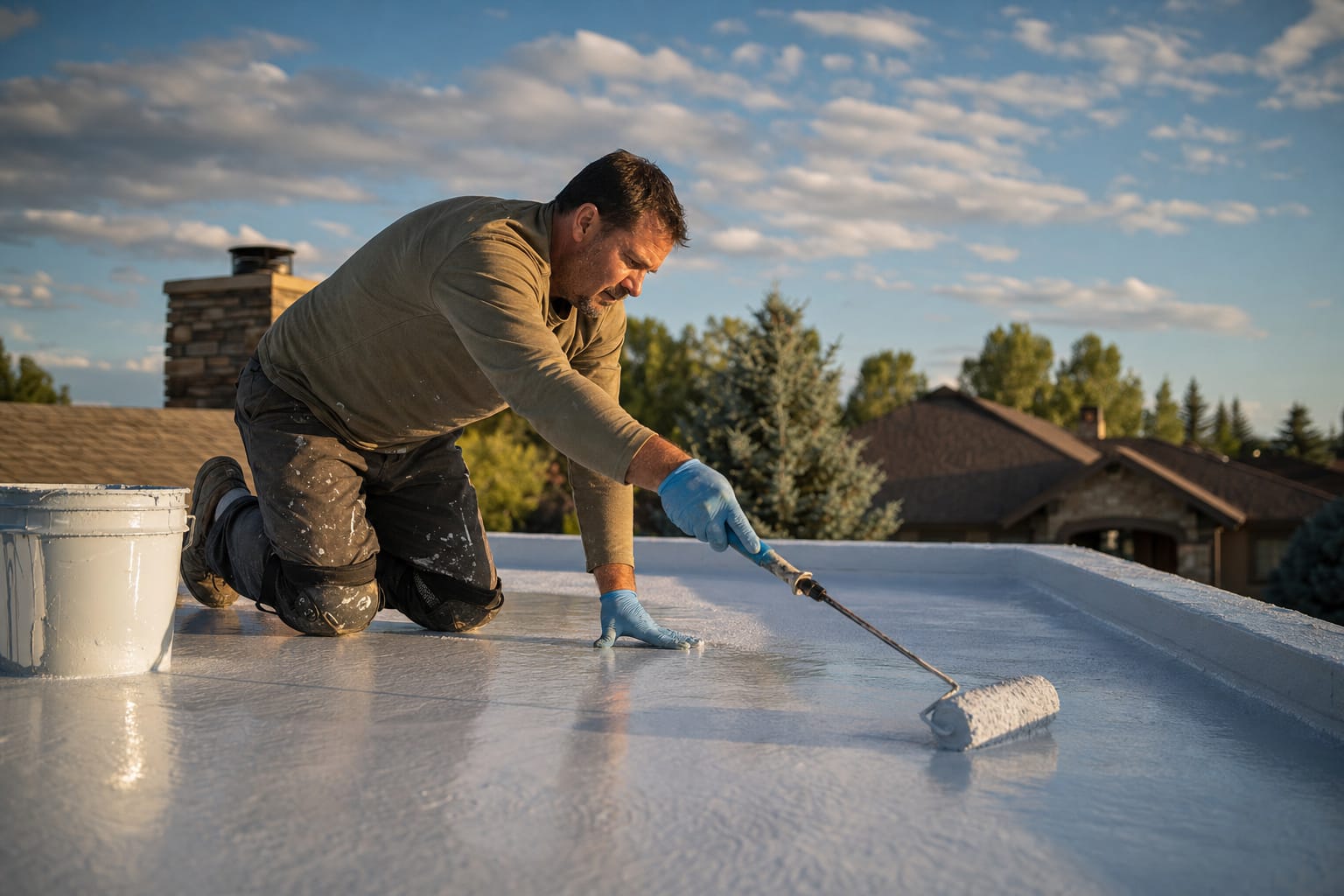
Roof coatings for Fort Collins homes
How we inspect a low-slope roof, prepare it and coat it, and what the written scope includes.
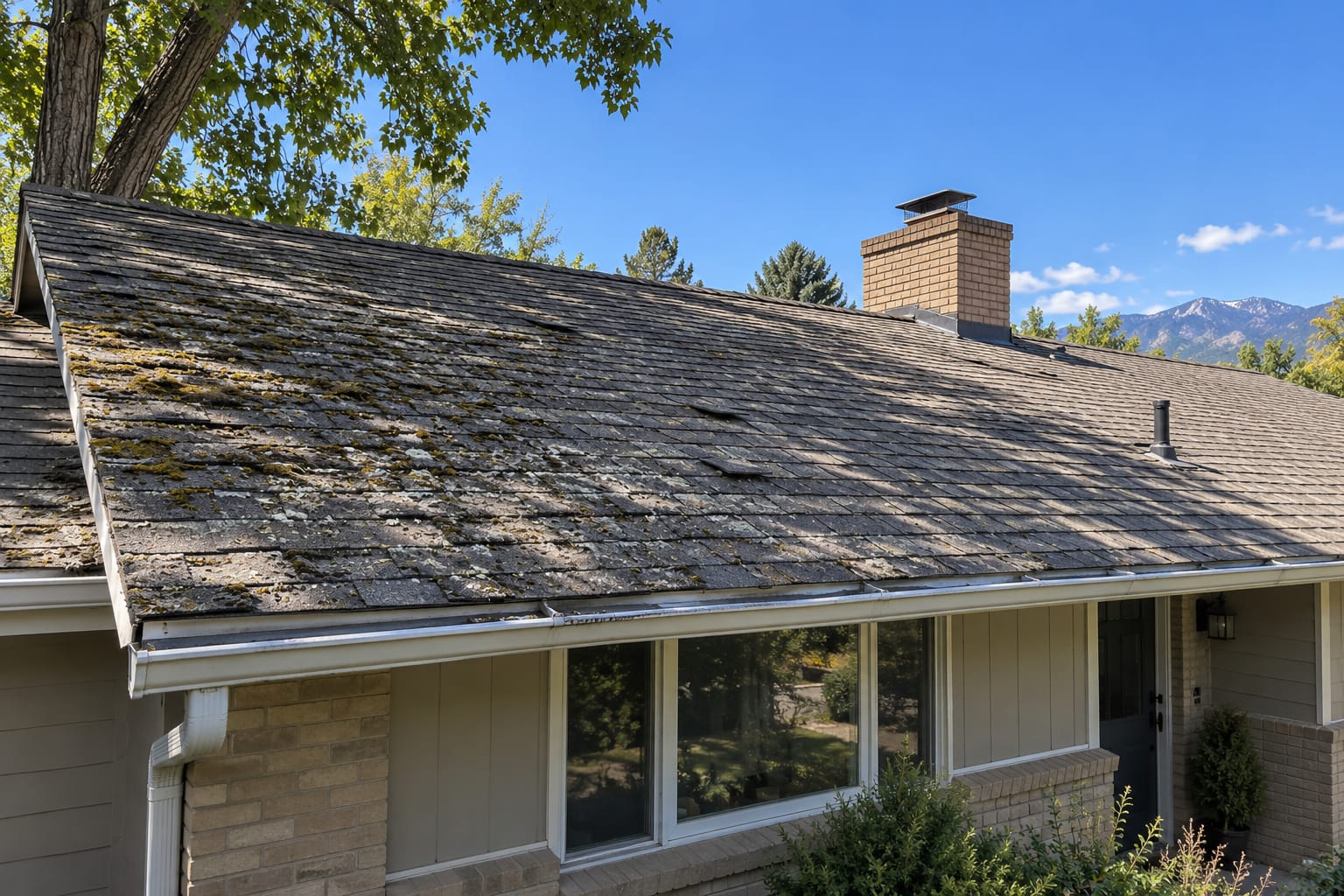
How long does a roof last in Colorado?
The rated life of each roofing material, what the Front Range does to it, and the habits that add years.
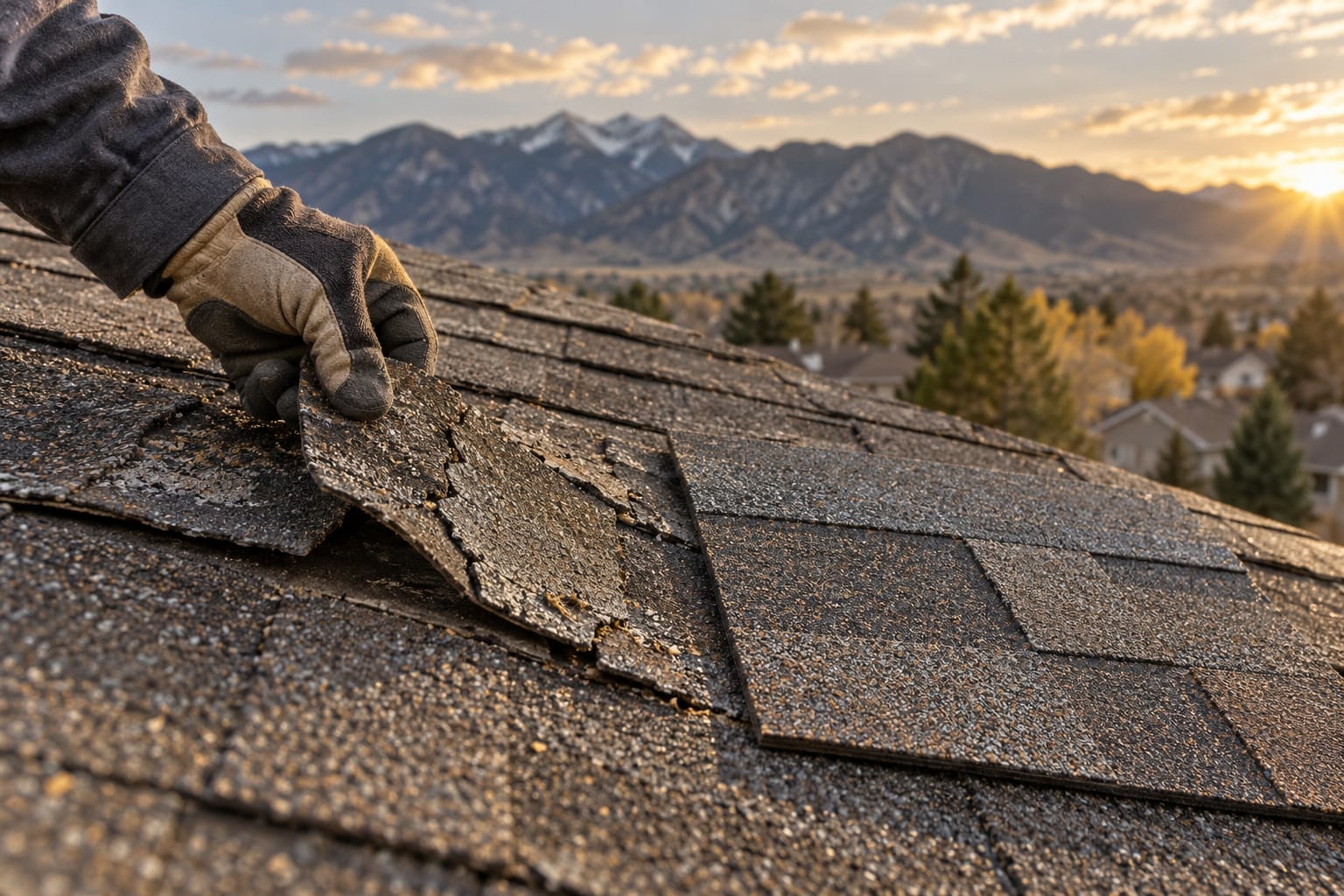
Roof repair or replacement: how to decide
When a repair is enough, when replacement is the honest answer, and what the report should show first.
Roof coating questions
What homeowners ask about coating a roof.
Do roof coatings actually work?
On a sound, dry low-slope roof, yes: a reflective coating keeps the surface cooler, shields the membrane from UV and seals seams and flashings. On a roof with wet insulation, failed seams or ponding water, no; it hides the problem for a season and the leak returns. The inspection before the coating is what separates the two.
Which type of roof coating should I choose?
It depends on the roof. Silicone formulas are commonly chosen where water tends to sit, because they tolerate standing water well; acrylics are easier to recoat and work well where the roof drains properly. The right choice follows from the inspection, the existing membrane and how the roof drains, and the written scope should name the product and the applied thickness.
What are the downsides of silicone roof coating?
Silicone is slippery when wet, it attracts dirt that dulls its reflectance over time, and once a roof has been coated with silicone it generally has to be recoated with silicone, because other coatings do not bond to it. None of those is a reason to avoid it on the right roof; they are reasons to choose it deliberately.
Can you put a roof coating on shingles?
Roof coatings are made for low-slope membranes, not for sloped asphalt shingle roofs, and they do not restore shingles that have lost their granules or their flexibility. A shingle roof that is aging needs the repair-or-replacement conversation, not a coating.
How long does a roof coating last?
It depends on the formula, the thickness and the preparation. InterNACHI’s life expectancy chart lists an aluminum roof coating at three to seven years; other formulas are rated longer by their makers. Every coating is a maintenance cycle: inspect yearly and recoat when the surface wears, and the roof underneath stays protected.
Free inspection
Find out whether your low-slope roof is a coating candidate.
A free inspection in Fort Collins or anywhere in Northern Colorado. If the roof underneath is not sound, we say so, with photos.